Conducting Legionella Risk Assessments in Hotels: A Professional Guide
Conducting Legionella Risk Assessments in Hotels
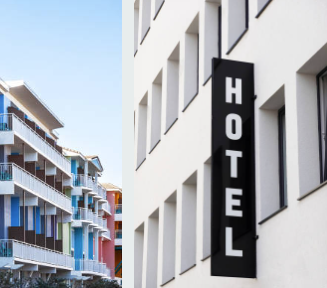
As water safety specialists serving the hospitality sector, we understand the unique challenges hotels face when implementing Legionella control measures. The combination of guest accommodation, leisure facilities, and food service operations creates a complex risk profile requiring specialised approaches. This guide explores the essential considerations for conducting comprehensive Legionella risk assessments in hotels, focusing on building complexity and key risk factors.
Understanding Your Legal Position
As a hotel owner, manager or facilities director, you serve as either the duty holder or responsible person under the Health and Safety at Work Act 1974 and COSHH Regulations 2002. The HSE's Approved Code of Practice L8 and HSG274 provide compliance frameworks, but effective implementation requires understanding your specific operational context.
Your key responsibilities include:
- Ensuring comprehensive risk assessments by competent individuals
- Implementing appropriate control measures
- Maintaining ongoing monitoring processes
- Keeping detailed records
- Providing appropriate staff training across departments
Proactive engagement with these responsibilities protects guests and staff while safeguarding your business from regulatory penalties and reputational damage.
Building Complexity: A Critical Factor in Risk Assessment
Hotel Water System Design Challenges
The physical configuration of hotel water systems creates specific management challenges:
1. Multiple Distribution Networks
Hotels feature extensive water distribution systems serving:
- Guest room ensuite bathrooms across multiple floors
- Food and beverage operations
- Leisure facilities (pools, spas, gyms)
- Public areas and service sections
This diversity creates a complex network requiring comprehensive mapping. Critical risk areas often emerge where different systems interface, affecting temperature control and flow.
2. Phased Development and Mixed Building Stock
Many hotels have evolved over time, resulting in:
- Original buildings with legacy plumbing
- Extensions or annexes from different periods
- Converted spaces with adapted water systems
- Modern additions with contemporary plumbing
This development pattern creates complex interconnections, potential dead legs, and redundant pipework. We recently assessed a 120-bedroom hotel that expanded from an original 40-room coaching inn through four major developments—creating numerous risk points where original and newer systems joined.
3. Vertical Distribution Challenges
The multi-storey nature of hotels introduces:
- Pressure boosting requirements for upper floors
- Temperature consistency issues between levels
- Potential stratification in storage vessels
- Complex return loop systems
- Balance issues affecting flow rates
Taller buildings typically require zone-based temperature monitoring and pressure testing to ensure system-wide consistency.
Operational Complexity
1. Occupancy Fluctuations
Hotels experience significant variations in occupancy:
- Seasonal patterns with peak and off-peak periods
- Weekly variations between business and leisure guests
- Conference and event-driven occupancy spikes
- Potential for entire sections to remain unoccupied
These fluctuations create challenges for maintaining water movement throughout all system areas. During low occupancy, extensive sections of pipework may experience minimal use, creating stagnation risks.
2. 24/7 Operational Requirements
Unlike most commercial buildings, hotels operate continuously, creating:
- Need for constant hot water availability
- Limited maintenance access windows
- Requirements for service continuity during interventions
- Multiple user groups with different usage patterns
These requirements necessitate control strategies that balance guest experience with effective risk management.
Key Risk Factors in Hotel Environments
1. Guest Room Water Systems
Shower Facilities
Showers generate aerosols that can transmit Legionella bacteria if present:
- Temperature maintenance at outlets (hot >50°C, cold <20°C)
- Regular cleaning and descaling of shower heads
- Flushing protocols for rooms with infrequent occupancy
- TMV maintenance and testing
For hotels with hundreds of rooms, we recommend implementing a representative sampling approach for temperature monitoring, with sentinel points on each floor supplemented by rotating checks of additional rooms.
Occupancy Variability
The transient nature of hotel occupancy creates challenges:
- Individual rooms may remain unoccupied for extended periods
- Entire sections may experience minimal use during low season
- Rapidly changing occupancy patterns
We recommend developing integrated protocols between housekeeping, maintenance and front desk to identify and manage low-use outlets.
2. Leisure Facilities
Swimming Pools and Spa Facilities
These areas present elevated risks due to:
- Warm water temperatures favourable for bacterial growth
- Aerosol generation through jets and features
- Complex filtration and treatment systems
- Fluctuating usage patterns
Effective management requires comprehensive understanding of these specialised systems and adherence to industry guidance such as HSG282 for spa pools.
Shower and Changing Facilities
Leisure area showers experience intense but irregular usage patterns requiring:
- Regular descaling
- Comprehensive temperature monitoring
- Effective cleaning protocols to minimise biofilm development
3. Food Service Operations
Hotel kitchens present specific challenges:
- High-temperature equipment connections creating potential dead legs
- Specialised water treatment for specific applications
- Intensive usage patterns during service periods
- Equipment with seasonal or intermittent use
Clear protocols should be developed for equipment experiencing intermittent use, with specific responsibilities assigned to kitchen personnel.
4. System Design Features
Dead Legs and Low-Flow Areas
Sections with limited water movement create ideal conditions for Legionella colonisation, often occurring where:
- Building modifications have left unused pipe sections
- Rooms have been reconfigured without proper system adaptation
- System extensions have been poorly integrated
- Original designs included long branches to infrequently used outlets
Detailed system mapping is essential to identify these problem areas.
Temperature Control Challenges
Maintaining appropriate temperatures throughout extensive distribution systems presents challenges:
- Heat loss in long pipe runs
- Inadequate insulation causing cold water warming
- Return loop balancing issues
- Stratification in storage vessels
Comprehensive temperature profiling provides essential data for identifying potential problem areas.
Conducting Effective Risk Assessments
Pre-Assessment Information Gathering
Before physical inspection, gather comprehensive information:
- Building schematics and water system diagrams
- Previous assessment reports
- Maintenance records
- Occupancy data showing seasonal patterns
- Information about future development plans
Hotels with incomplete documentation often present higher risks due to knowledge gaps about system configuration.
Assessment Team Composition
The complexity of hotel water systems requires appropriate expertise:
- Water hygiene specialist with hotel sector experience
- Facilities/maintenance representative with property knowledge
- Operational manager providing insight into usage patterns
- Specialists for particular system types (e.g., spa facilities)
This multidisciplinary approach ensures all aspects are appropriately considered during assessment.
Physical Inspection Elements
Cold Water Systems
- Storage tank condition and configuration
- Temperature measurements at tanks and representative outlets
- Assessment of insulation effectiveness
- Identification of dead legs or poor flow areas
Hot Water Systems
- Calorifier/water heater configuration
- Temperature measurements at storage, distribution points, and outlets
- Evaluation of return loop balancing
- Assessment of TMV function and maintenance
Guest Room Sampling Strategy
With numerous similar outlets, a structured sampling approach is essential:
- Sentinel rooms on each floor (typically nearest and furthest from risers)
- Rotating sample of additional rooms during each assessment
- Specific attention to rooms with known occupancy issues
Leisure Facility Assessment
- Comprehensive review of spa pool system design and operation
- Evaluation of pool water treatment effectiveness
- Assessment of changing area and shower facilities
- Review of maintenance records and microbiological testing
Operational Assessment
Evaluate management practices including:
- Written scheme of control effectiveness
- Monitoring record keeping and trend analysis
- Flushing regimes for low-occupancy scenarios
- Staff training and awareness levels
- Communication between departments
Implementing Effective Management Systems
Written Scheme of Control
Develop hotel-specific protocols addressing:
- System description and key control points
- Control measures tailored to operational patterns
- Monitoring procedures reflecting occupancy variations
- Record-keeping requirements
- Response procedures for adverse results
Occupancy-Based Management Strategies
High Occupancy Periods
Focus on:
- Maintaining system balance despite high demand
- Ensuring sufficient hot water capacity
- Monitoring temperature stability under high-load conditions
Low Occupancy Periods
Priorities shift to:
- Implementing flushing programmes for unused areas
- Considering isolation of unoccupied sections
- Enhancing monitoring to verify control measure effectiveness
Seasonal Transition Management
Particular attention to:
- Structured recommissioning protocols for areas returning to service
- Enhanced monitoring during initial reoccupation
- System preparation for anticipated demand changes
Interdepartmental Collaboration
Effective management requires coordination across:
- Housekeeping implementing flushing regimes
- Front desk providing occupancy information
- Maintenance conducting regular monitoring
- Food and beverage managing kitchen-specific requirements
- Leisure facility staff overseeing specialised water systems
Develop clear responsibility matrices and communication protocols, with particular attention to shift handovers.
Conclusion
Managing Legionella risks in hotels requires understanding both technical and operational factors. The building complexity and distinctive usage patterns demand tailored approaches that consider specific system configurations, occupancy fluctuations, and guest experience requirements.
By focusing on the key risk factors outlined and implementing robust assessment and management processes, hotel operators can effectively protect guest health while meeting legal obligations. Remember that Legionella control requires ongoing attention as buildings and their usage evolve.
We encourage you to view Legionella risk assessment not merely as compliance but as an integral component of providing safe accommodation for your guests while protecting your business reputation.