Understanding Legionella
This guide explains what Legionella is, how it spreads, who is most at risk, and the responsibilities organisations have for maintaining safe water systems.
What Is Legionella?
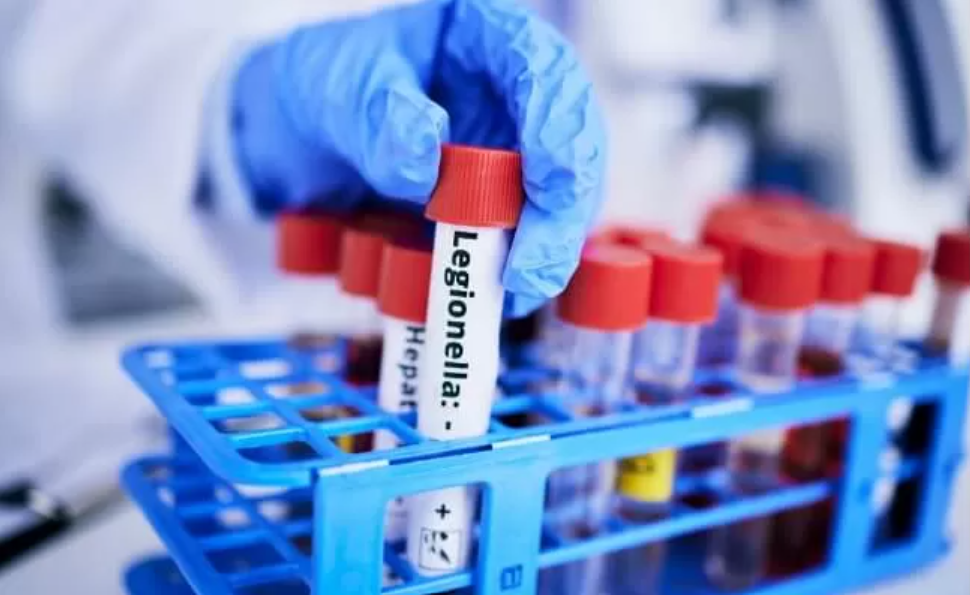
Legionella bacteria are commonly found in natural water environments such as rivers, lakes, and reservoirs.
In most cases, these naturally occurring levels present little risk.
Problems arise when Legionella finds suitable conditions to multiply within building water systems.
The bacteria typically thrive where:
• Water temperatures remain between 20°C and 45°C
• Water becomes stagnant
• Scale, sediment, or biofilm are present
• Systems are poorly maintained
Common locations where Legionella risk may develop include:
• Hot and cold water systems
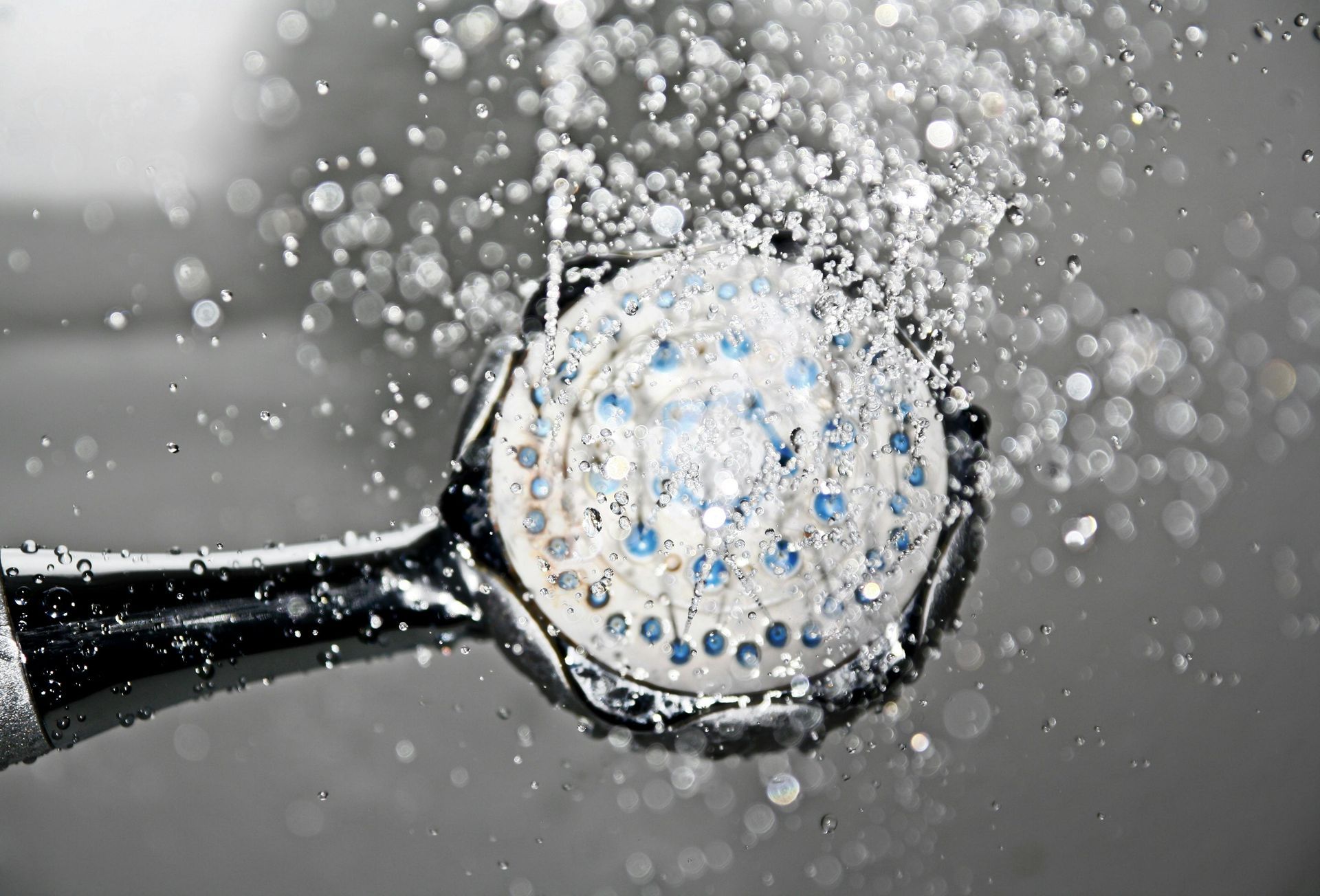
• Showers and spray outlets
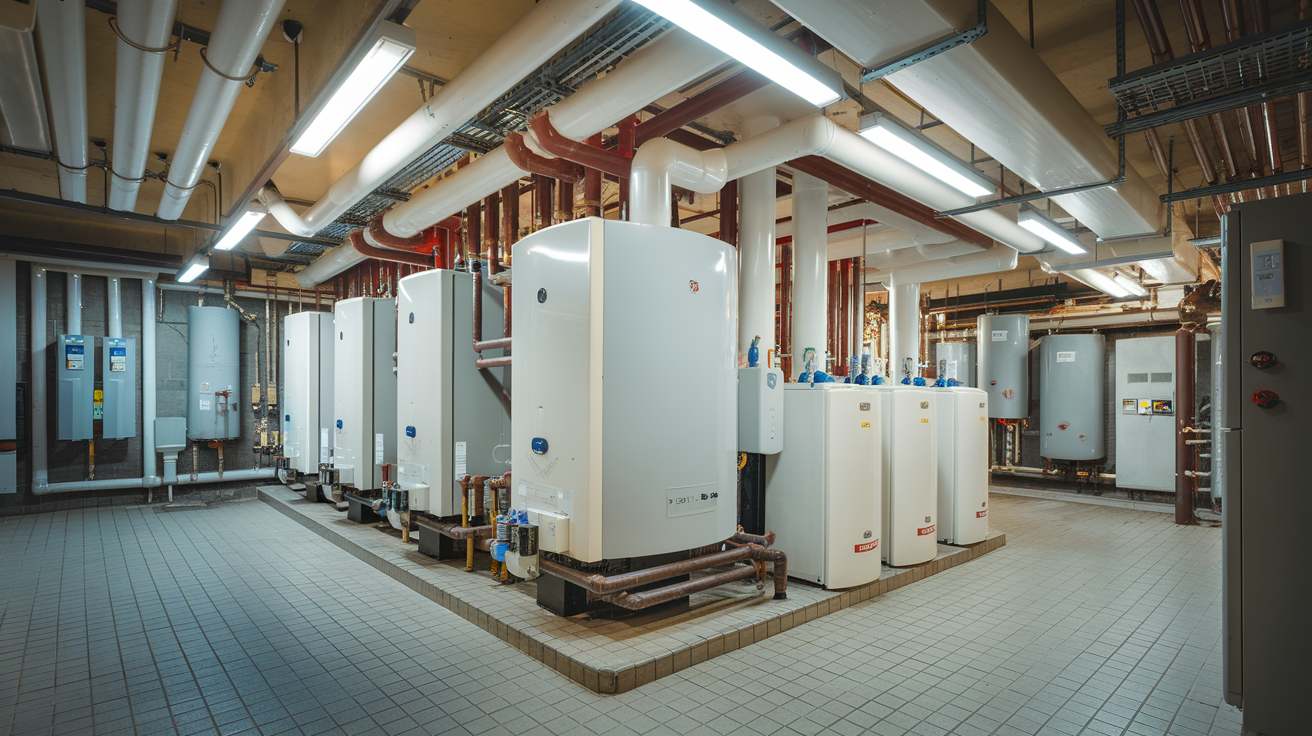
• Storage tanks and calorifiers
• Cooling towers and evaporative condensers
• Spa pools and hydrotherapy systems
The presence of Legionella does not automatically mean a system is unsafe. Risk depends on whether conditions allow bacteria to multiply and become airborne.

How Is Legionella Contracted?
Legionella is not normally contracted by drinking water.
The most common route of exposure is through inhaling fine water droplets containing Legionella bacteria.
Examples include:
• Shower spray
• Cooling tower drift
• Spa pool aerosols
• Spray taps
• Certain industrial processes
When these contaminated droplets are inhaled, they can enter the lungs and potentially cause Legionnaires' disease.
Person-to-person transmission is extremely rare.
Who Is Most At Risk?
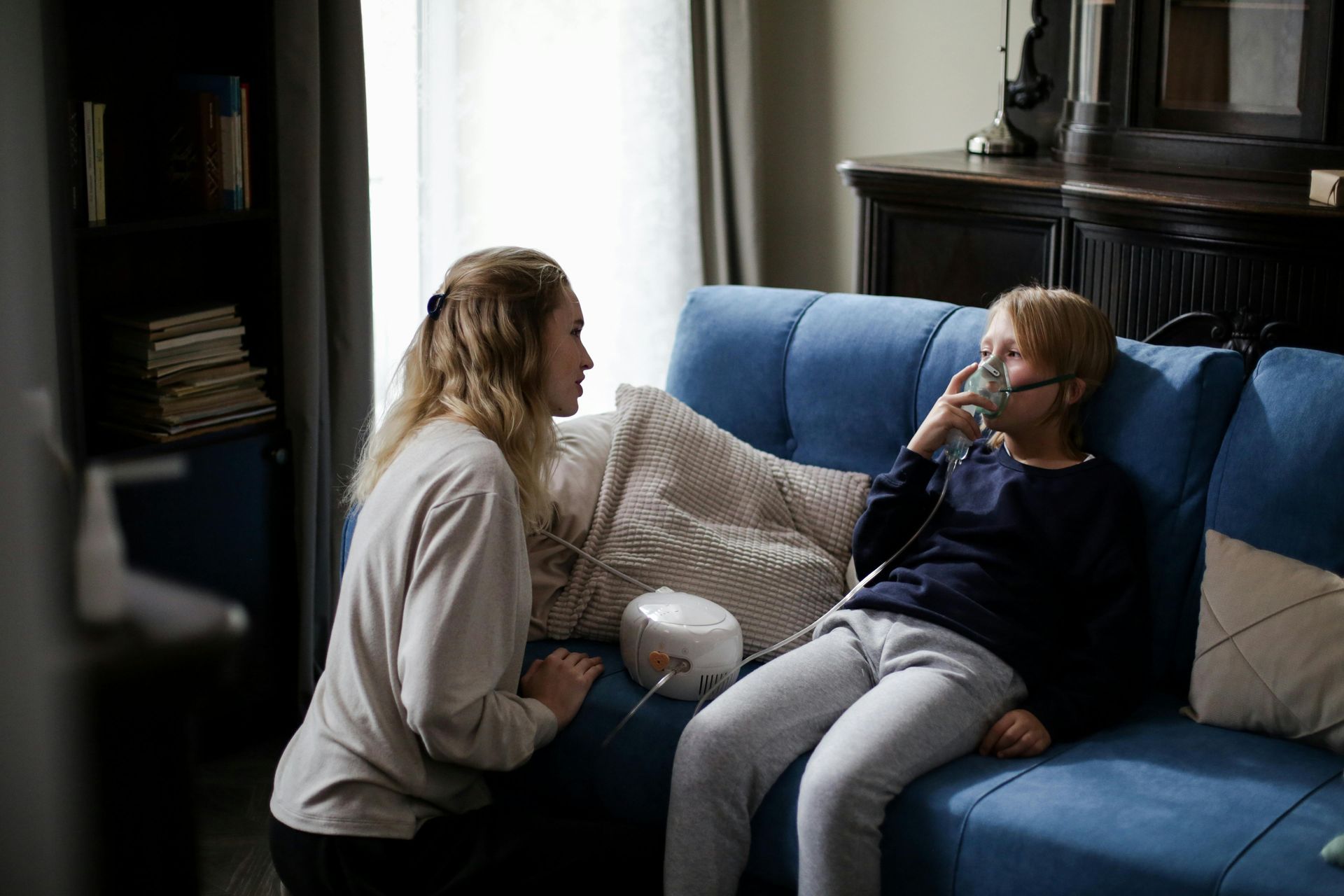
Anyone can develop Legionnaires' disease, but certain groups face a significantly higher risk of serious illness.
Higher-risk groups include:
People with weakened immune systems
Smokers and former smokers
Individuals with respiratory conditions
People over the age of 45
Residents within healthcare and care environments
This is why effective Legionella control is particularly important in healthcare facilities, care homes, housing, education, hospitality, and public buildings.

Your Legal Responsibilities
Organisations that manage buildings with water systems have a legal duty to assess and control Legionella risk.
Relevant legislation and guidance include:
• Health & Safety at Work Act 1974
• Control of Substances Hazardous to Health (COSHH)
• HSE Approved Code of Practice L8 (ACoP L8)
• HSG274 Guidance
Duty holders are expected to:
• Carry out suitable Legionella Risk Assessments
• Implement a written scheme of control
• Appoint a competent Responsible Person
• Monitor and maintain water systems appropriately
• Keep accurate records
Failure to adequately manage Legionella risk can result in enforcement action, prosecution, substantial fines, and reputational damage.
Why Legionella Control Matters
Effective management helps organisations demonstrate both compliance and operational control.
Legionella control is about more than compliance.
It is about protecting building users, reducing risk, and maintaining confidence that water systems are operating safely.
Poorly controlled systems can result in:
Serious illness
Building disruption
Enforcement action
Increased operational costs
Loss of stakeholder confidence
How to Prevent Legionella
Successful Legionella management combines good system design, routine maintenance, monitoring, and risk assessment.
Typical control measures include:
• Maintaining cold water below 20°C
• Maintaining hot water above 50°C
• Managing stagnation risks
• Flushing infrequently used outlets
• Cleaning and maintaining storage tanks
• Reviewing system changes before implementation
• Maintaining accurate records
No single control measure is sufficient on its own.
Effective Legionella management requires a structured approach tailored to the specific building and water system.
Why Compliance Activity Alone Is Not Enough
Effective management helps organisations demonstrate both compliance and operational control.
Traditional Legionella control often relies on periodic inspections, manual temperature checks, and routine compliance activities.
These remain important.
However, they only provide snapshots of system performance.
Many organisations discover that recurring issues, temperature instability, or system faults can develop between inspections.
This is why increasing numbers of organisations are moving beyond compliance activity alone and focusing on operational visibility.
Combining risk assessments, diagnostics, and continuous monitoring can help identify issues earlier, improve decision making, and strengthen long-term control.
Common Mistakes
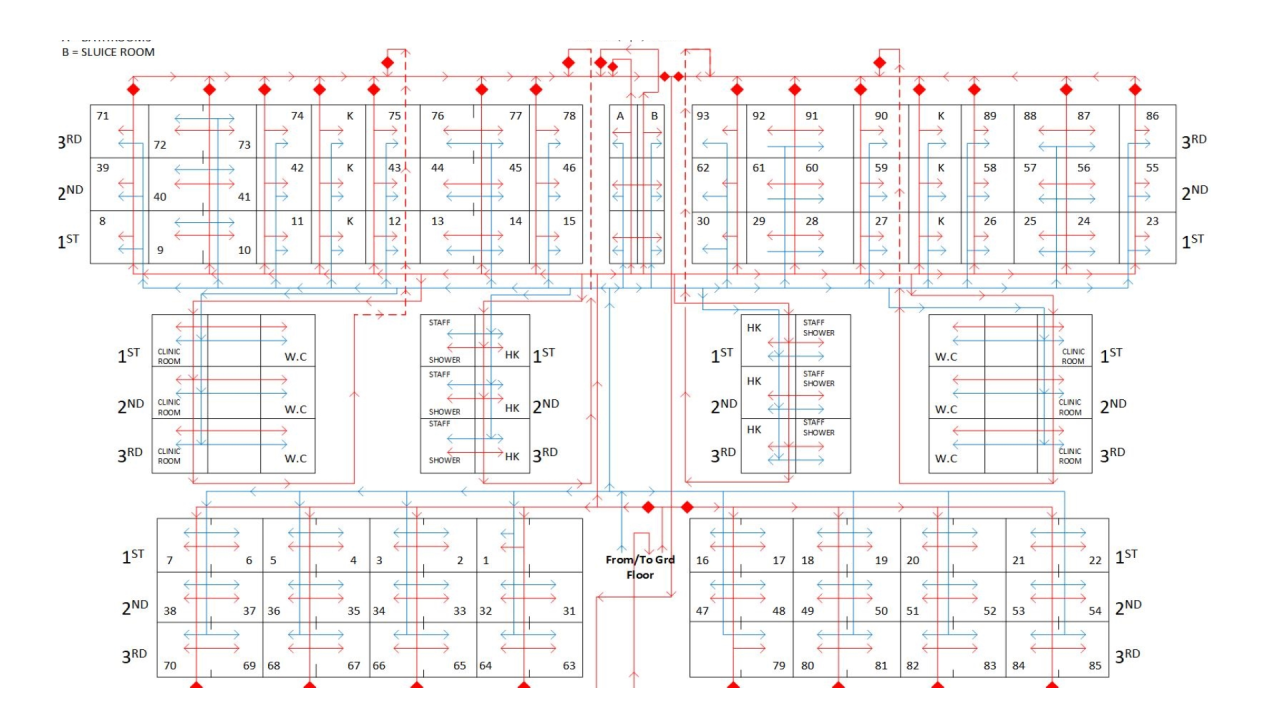
Many compliance issues arise not from a lack of effort, but from limited visibility of how systems actually behave.
Common examples include:
• Infrequent temperature monitoring
• Poor or incomplete record keeping
• Unused outlets creating stagnation
• Outdated schematics
• Failure to review system modifications
• Treating flushing as a substitute for good system design
• Lack of staff awareness and training
Addressing these issues often provides significant improvements in both compliance and operational control.
There is another way!

Monitoring Options
Traditional monitoring relies on monthly manual checks often incomplete or inaccurate.
Modern systems like
Legionella Watch provide:
- Continuous IoT temperature tracking
- Instant alerts for temperature anomalies
- Digital audit trails for full compliance transparency
Frequently Asked Questions
How often should a Legionella Risk Assessment be reviewed?
Typically every two years, or sooner if systems are modified, occupancy changes, or significant issues are identified.
Is a Legionella Risk Assessment a legal requirement?
Yes. Organisations with water systems must assess and manage Legionella risk under health and safety legislation.
Who can carry out a Legionella Risk Assessment?
Assessments should be completed by a competent person with appropriate knowledge, training, and experience.
What happens if Legionella is detected?
Appropriate remedial action should be taken based on the level of risk, supported by investigation into the underlying causes and review of control measures.


















Trusted by leading organisations across the UK.
What You Can Expect
Richard Thornett - Lead Engineer - BSW Southampton
“It is like having an engineer 24/7 with their hand on the plant”
James Shaw - Director - Miller Freeman - Nottingham
"The real time data allowed us to make several minor adjustments and changes to achieve satisfactory temperatures throughout the property that would not normally be picked up."
Brendon Moylan - Property Manager - Oakfield Community
“It gives us a good hold on monitoring the whole system”
Andy - Director - Tackle Tidy - Redditch
“I can sleep at night knowing that I'm not putting us in any kind of danger”
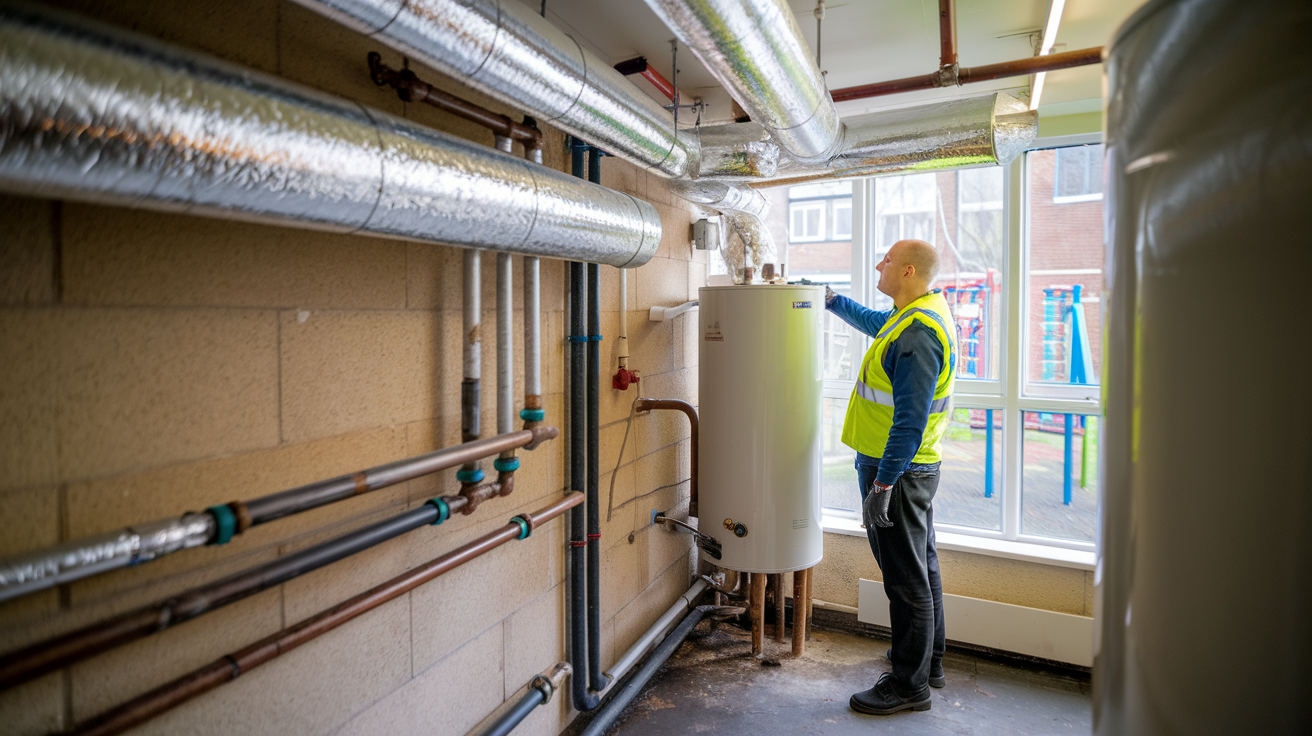
Need Help Understanding Your Legionella Risk?
Whether you're responsible for a commercial building, school, care home, healthcare facility, housing portfolio, or industrial site, understanding risk is the first step towards effective control.
Speak with our team to discuss your buildings, your systems, and the level of support you require.
or call 01827 259346 to get started today.