When Compliant Buildings Become Public News

A different kind of Legionella risk
Across the UK, buildings with Legionella control measures in place have still been forced to close, evacuate occupants, suspend services, and face legal consequences.
This isn’t a story about poor compliance. It’s about what happens when risk is discovered too late!
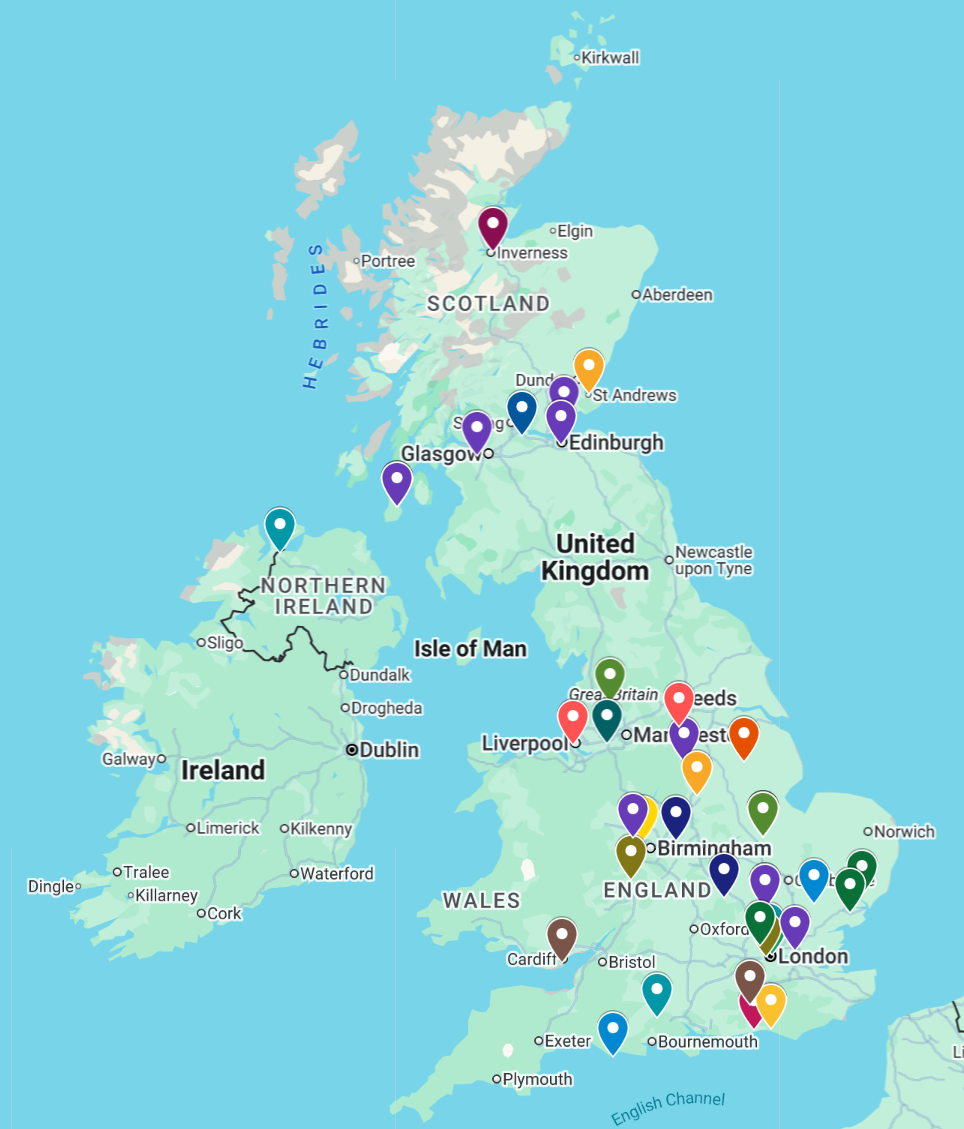
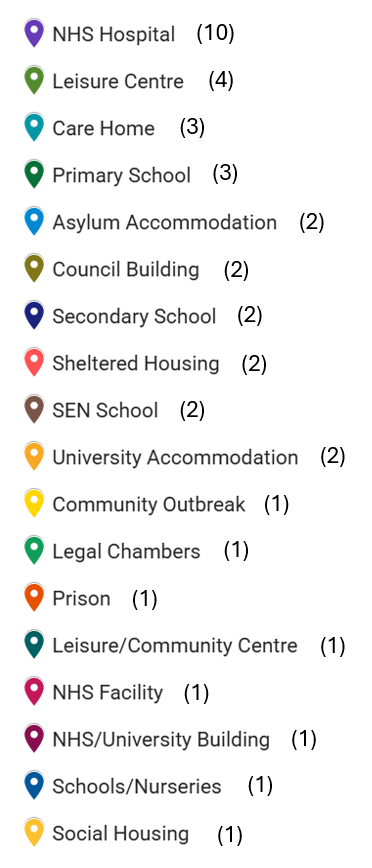
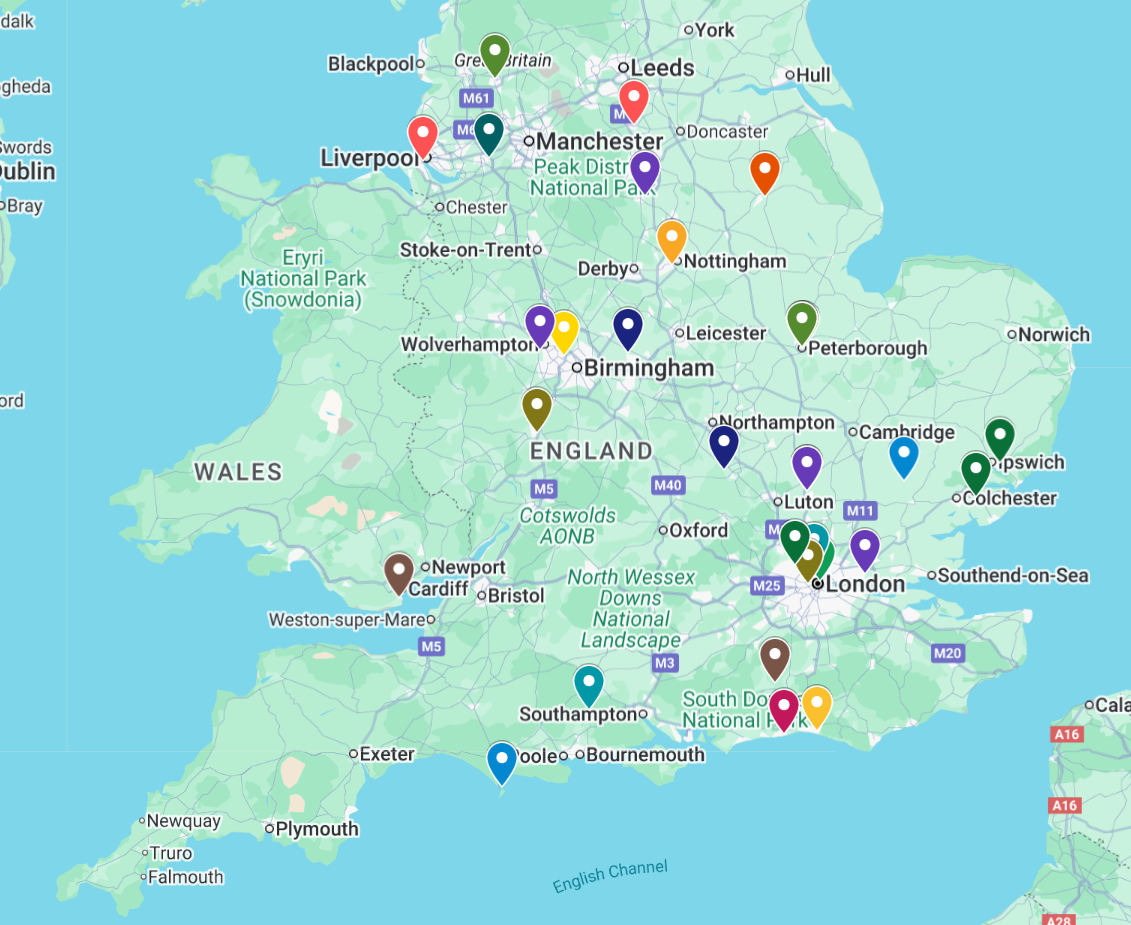
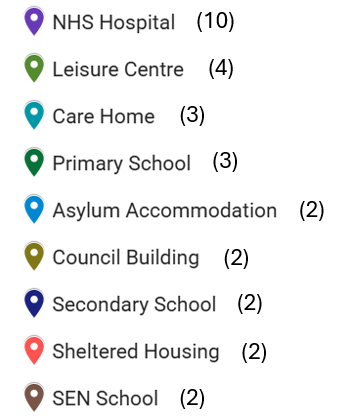
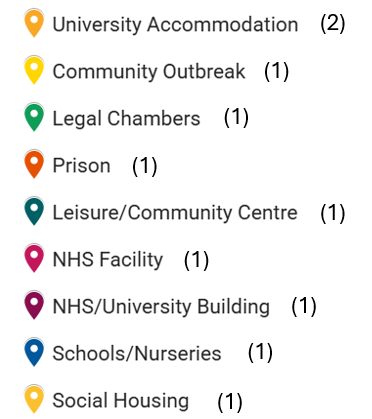
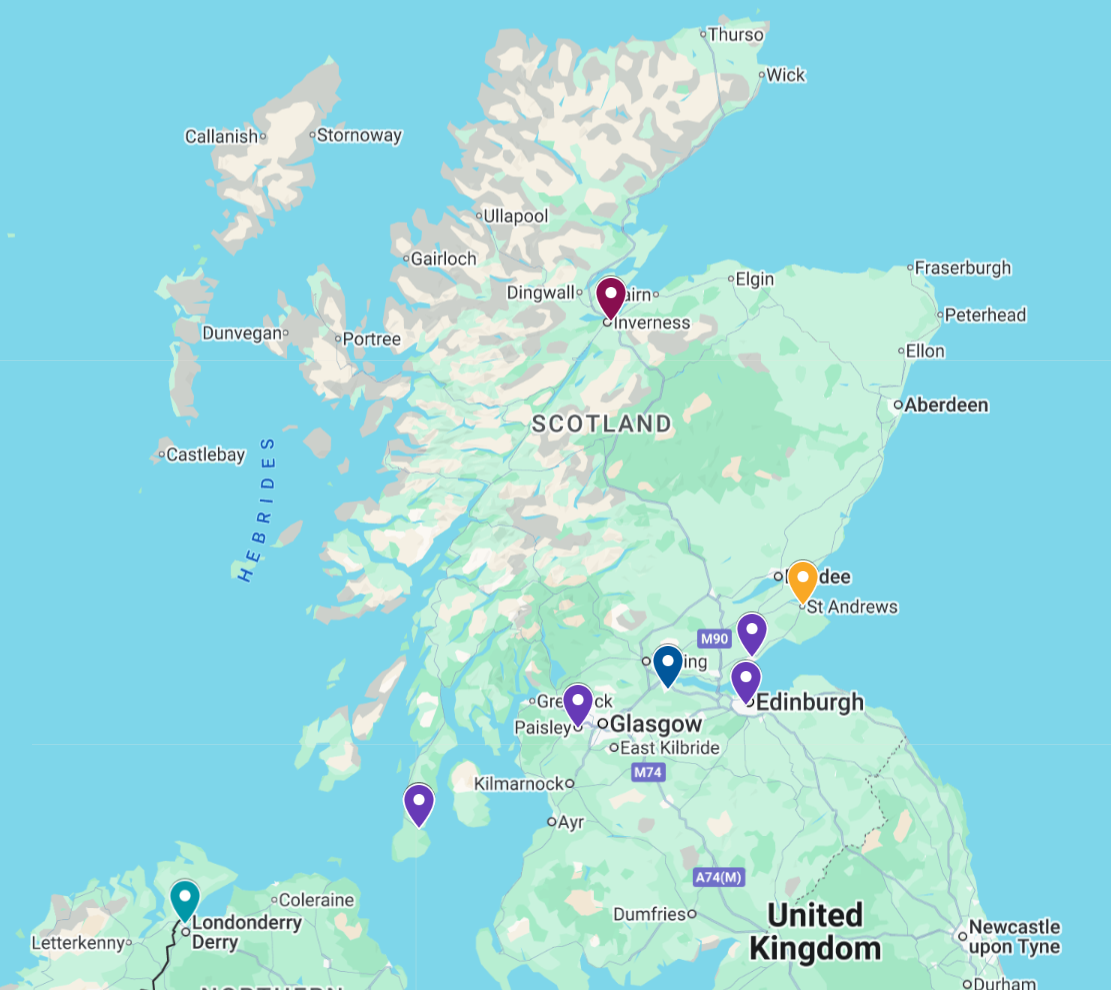
Each point on this map represents a real UK facility where Legionella was identified and the response led to operational disruption significant enough to become public.
This includes: closures, evacuations, restricted use, delayed openings, and relocations, affecting residents, patients, staff, students, and service users.
The map is anonymised by design. It isn’t here to criticise individual organisations.
It exists to help you see patterns of impact across sectors, the kind of impacts that create reputational exposure even when compliance activity is in place.
Every example on this map began as a “manageable water issue”.
What happens when Legionella is discovered
If you’ve never had to manage a Legionella-related disruption, it’s easy for the topic to remain “compliance-shaped”.
The examples behind this map show something else: service continuity, disruption, and visibility.
People evacuated or displaced
Services shut down
Deaths & legal consequences
- 500+ asylum seekers evacuated from accommodation
- 39 care home residents evacuated
- 44 sheltered housing flats evacuated
- 1,500 secondary school students sent home mid-day
- NHS patients temporarily relocated
- NHS wards closed (elderly care, mental health, dental)
- Schools and special schools closed at short notice
- Leisure centres repeatedly closed or permanently shut
- Legal chambers prevented from reopening
- Care home resident death £167,000 fine
- Prisoner death £600,000 fine
- Enforcement action following closure and disruption
The point of showing this isn’t alarm. It’s to reflect the reality of what late discovery can trigger.
This isn’t limited to one type of building
If you manage a complex estate, it’s tempting to assume “our sector is different”.
The data says otherwise. The impacts behind the map include:
Healthcare & NHS
- Wards closed and services suspended
- Patients and staff relocated
- £1m+ impact to mental health services
- £46m facility opening delayed
Care & Housing
- Care home evacuations
- Sheltered housing fines (£900k)
- Multiple housing schemes affected
Leisure & Community
- Repeat closures
- Permanent closure and £1.5m demolition
- £3m repair costs
Education
- 600 pupils unable to start term
- Emergency closures and isolated water supplies
- Special schools shut at short notice
Justice & Civic Buildings
- Prisoner death and legal consequences
- Council HQ closed immediately
- Legal buildings unable to reopen
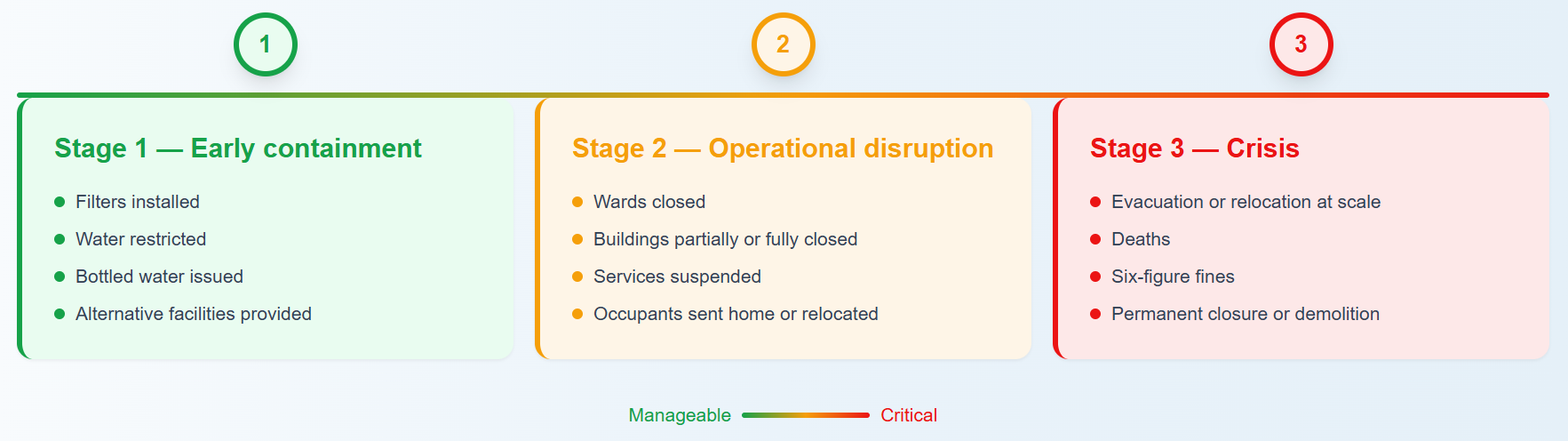
How a “manageable issue” becomes a disruptive event
You rarely go straight from “everything is fine” to a full closure.
The pattern is usually a progression and the earlier you can see it, the more options you have.
What compliance gives you — and what it can’t
If you follow ACoP L8 and HSG 274, you’re doing what the system expects: you’re meeting a defined baseline and documenting evidence. That matters, but it also has limits.
Compliance gives you:
- Evidence that checks were completed
- Records for audit and governance
- Defined responsibilities
- A defensible baseline position
Compliance can’t give you:
- Continuous visibility of system behaviour
- Early warning of deterioration
- Insight between inspection points
This is not a failure of people or process. It’s a limitation of periodic oversight in systems that change continuously.
The cost of late discovery
If you’re accountable for risk, the question is rarely “can we pass an audit?”
It’s “what happens if we’re forced into disruption?”
Direct costs shown
in the data
Costs you’ll recognise that aren’t included
- £167k care home fine
- £600k prison fine
- £900k sheltered housing fine
- £1m+ mental health ward impact
- £1.5m demolition
- £3m repair costs
- Legal fees
- Insurance premium increases
- Staff disruption and overtime
- Lost revenue
- Reputational damage
These examples don’t include the cost of lost trust, scrutiny, or stakeholder confidence.
If you manage multiple sites, you carry a different kind of risk
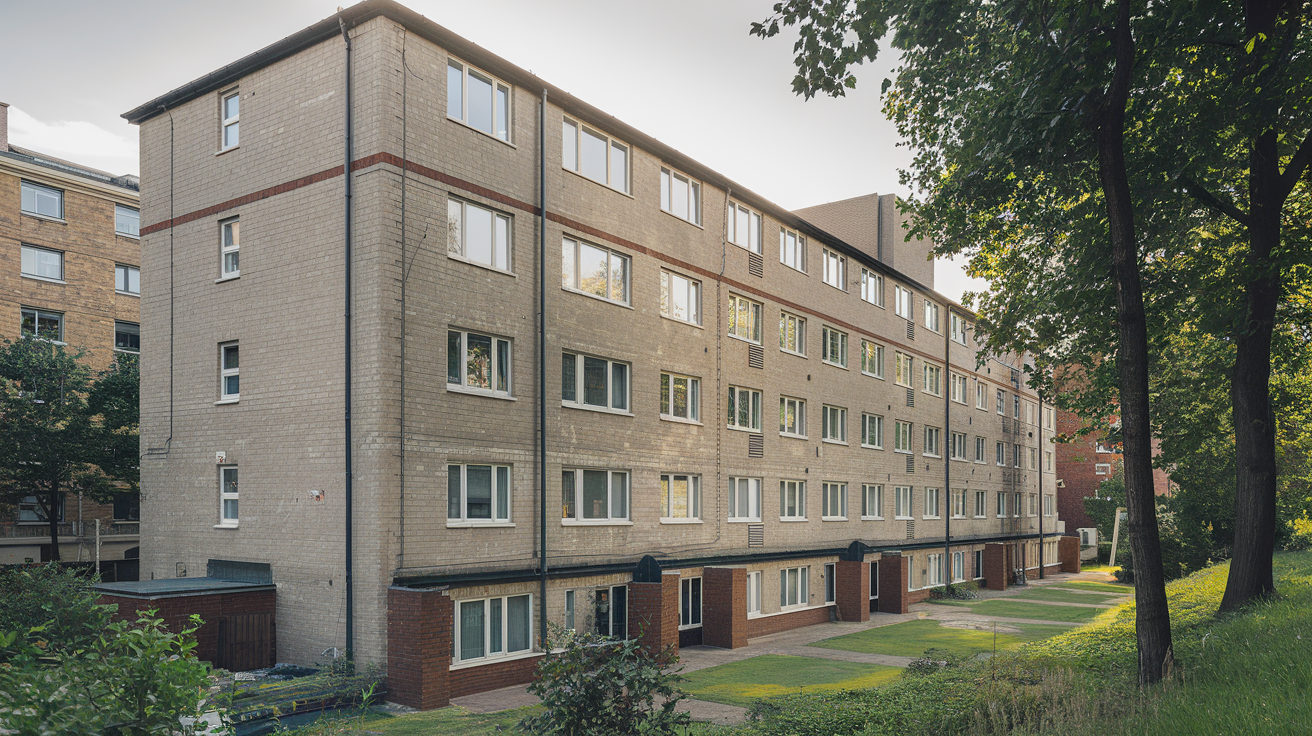
As the number of sites you oversee grows, so does the likelihood that Legionella will develop somewhere, even if controls are in place.
Not because you’re careless.
Because checks are periodic and systems evolve between them.
At scale, the biggest exposure is often not illness.
It’s the operational and reputational impact when deterioration is discovered late and forces immediate action.
A reality check
As you look through the examples on this page, you’ll already know which sites concern you most.
Not hypothetically but specifically.
The buildings where systems are complex.
The facilities with vulnerable occupants.
The sites where closure would be hardest to explain.
This page isn’t asking you to act immediately.
It’s asking you to pause and consider one question:
If conditions began deteriorating quietly in one of your buildings, how early would you know and how disruptive would discovery be when it finally came to light?


















Trusted by leading organisations across the UK.
What You Can Expect
Richard Thornett - Lead Engineer - BSW Southampton
“It is like having an engineer 24/7 with their hand on the plant”
James Shaw - Director - Miller Freeman - Nottingham
"The real time data allowed us to make several minor adjustments and changes to achieve satisfactory temperatures throughout the property that would not normally be picked up."
Brendon Moylan - Property Manager - Oakfield Community
“It gives us a good hold on monitoring the whole system”
Andy - Director - Tackle Tidy - Redditch
“I can sleep at night knowing that I'm not putting us in any kind of danger”
Want to Understand the Bigger Picture?
Need something you can share internally?
Download the one-page, board-ready briefing that summarises the map and the patterns behind it.
Legionella risk management isn’t just about paperwork.
It’s about keeping buildings open, services running, and people safe over time.
Zero signup required. Get access to the PDF.
Talk it through before disruption forces the conversation
If you want to discuss what earlier visibility could look like across your sites and how it reduces disruption risk we’re happy to help.
Our team is ready to help whether you manage one site or many.
or call 01827 259346 to get started today.