Why Legionella Risk in Schools Often Develops Between Inspections
Infrequent checks leave long periods where system conditions can deteriorate unnoticed.
Introduction
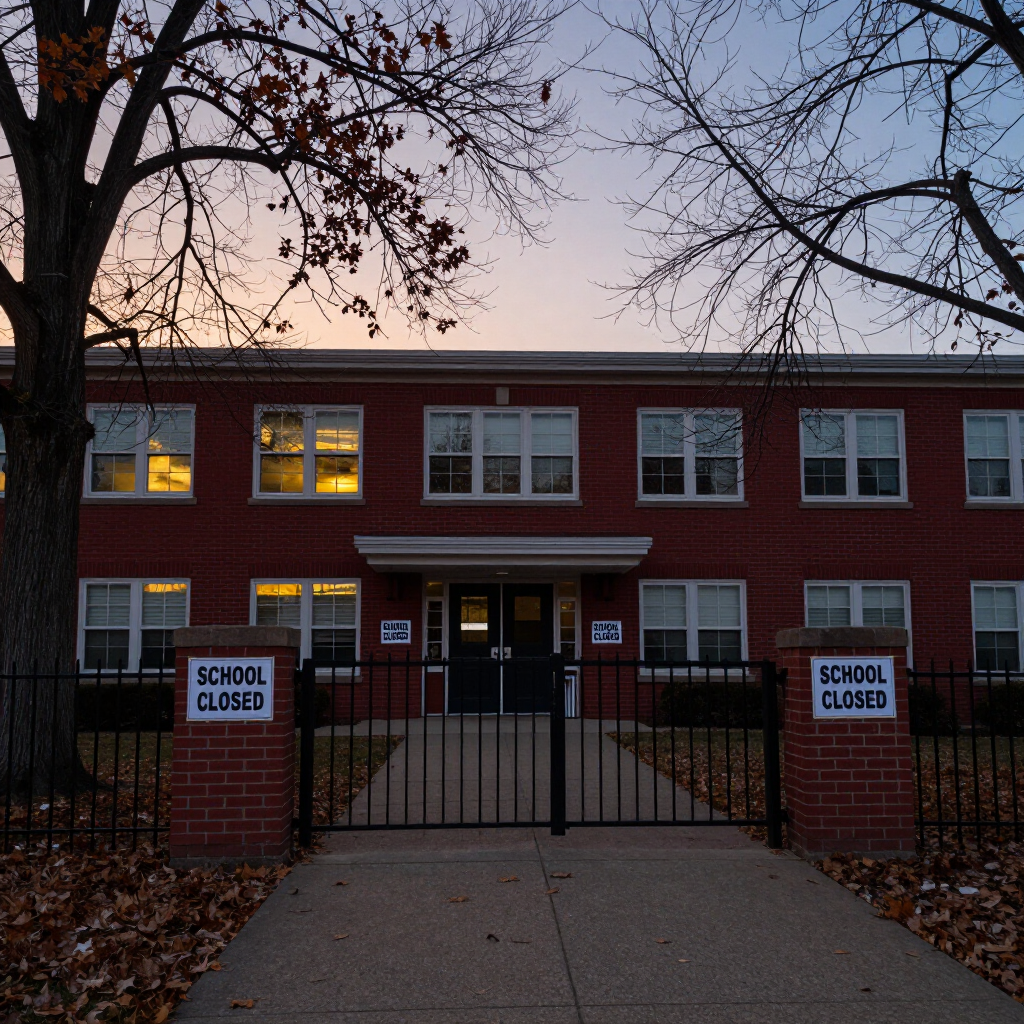
Educational estates present a unique challenge for Legionella compliance. Complex building usage, seasonal occupancy and split responsibilities mean that risk does not always arise from obvious system failures. Instead, it often develops quietly between scheduled checks.
Across multiple deployments in the education sector, a consistent pattern emerges: the greatest risks are not found during inspections. They form in the gaps between them.
Understanding this distinction is critical for estates teams, facilities managers and compliance leads aiming to move beyond basic compliance activity towards true operational control.
The Underlying Challenge
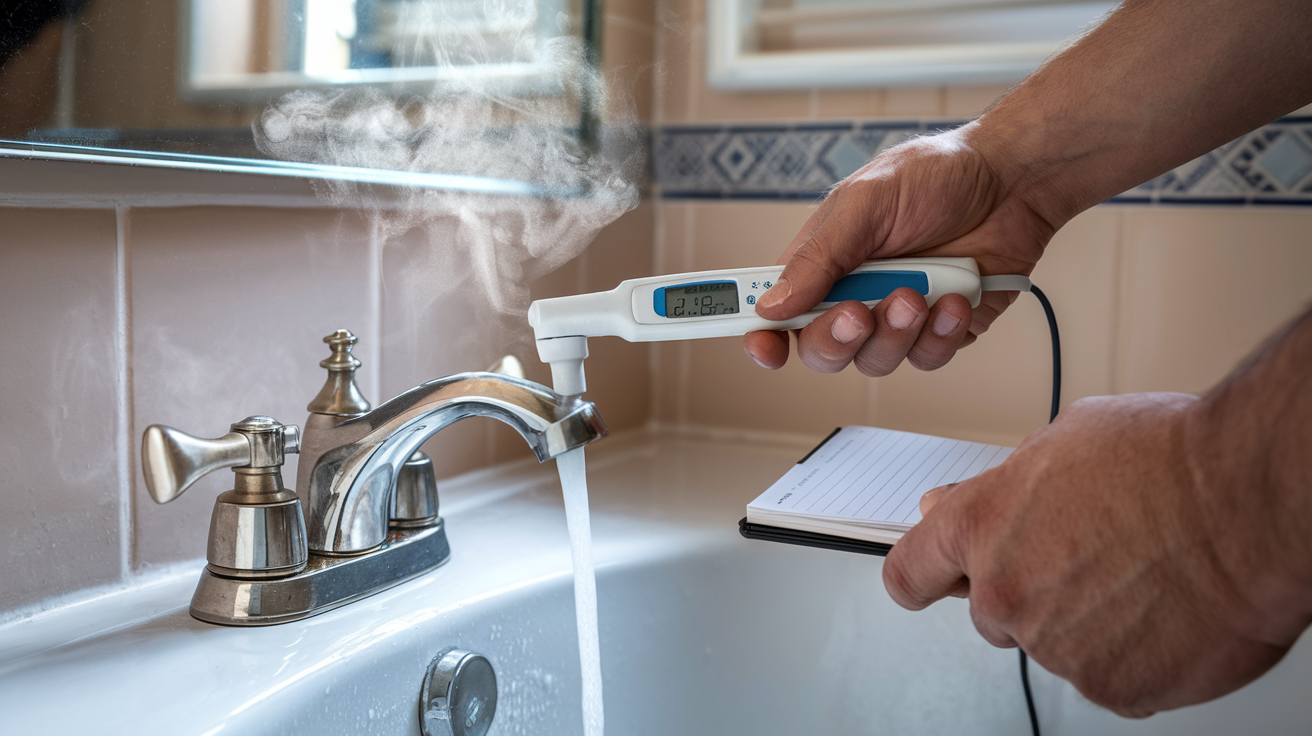
Traditional Legionella compliance in schools is built around periodic activity. Temperature checks, flushing regimes and quarterly inspections form the backbone of most control strategies, aligned to ACoP L8 and HSG274 guidance.
However, these approaches are inherently intermittent.
They provide a snapshot of system conditions at a single point in time, rather than a continuous understanding of how water systems behave across days, weeks or entire holiday periods.
In education, this limitation is amplified by how buildings are used.
Term time and holiday periods create dramatically different demand profiles. Areas that are heavily used during term may become dormant for weeks. Others, such as specialist teaching spaces, may operate irregularly throughout the year.
This creates dynamic system behaviour that periodic checks are not designed to capture.
Why This Matters in Practice
A practical example illustrates the issue clearly.
In one secondary school, monitoring across a multi-building estate revealed that during the summer break, the science block maintained temperatures of around 38°C, while the main building dropped to approximately 22°C.
This was not a system fault in the conventional sense. It was the result of a specialist water treatment system driving thermal circulation that no one had previously identified.
From a compliance perspective, everything appeared in order. Quarterly temperature checks had not highlighted any concerns.
Yet in reality, conditions were developing that increased stagnation risk,completely invisible to manual inspection regimes.
This pattern is not isolated.
Across educational estates, similar behaviours are frequently observed:
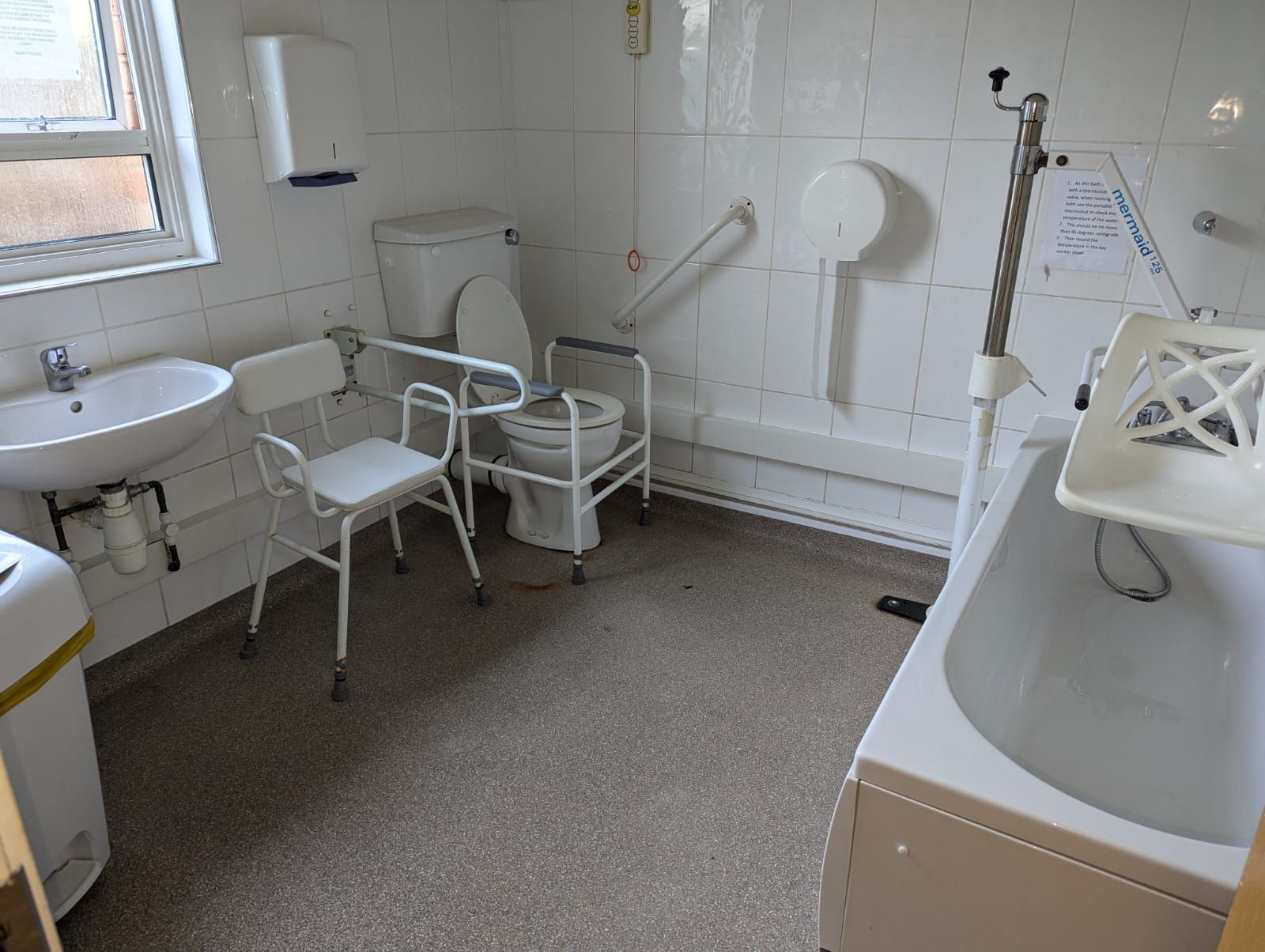
- Art rooms and specialist classrooms with irregular usage patterns leading to prolonged low flow
- Sports facilities and showers that sit dormant during exam periods or holidays
- Food technology areas with complex pipework configurations and potential dead legs
- External drinking outlets neglected during colder months
- Swimming pool changing areas with highly seasonal demand
Primary schools present a different, but equally important, challenge. Simpler systems often rely heavily on TMVs (thermostatic mixing valves), where temperature control is critical.
Periodic checks may confirm compliance at the time of inspection, but they cannot reveal how those outlets behave over the 168 hours between visits. In some cases, TMVs have been observed cycling through temperature ranges that create intermittent risk windows—something manual quarterly checks are unlikely to detect.
A Better Way to Think About It
The core issue is not that compliance activity is wrong, it is that it is incomplete.
Checking temperatures, flushing outlets and maintaining records are all necessary. But they do not, on their own, provide a true understanding of system behaviour.
This is where many organisations develop a false sense of confidence.
If all scheduled tasks are completed and recorded, it is easy to assume that risk is being effectively controlled. There may be significant blind spots between those activities.
A more effective approach is to view Legionella compliance as a progression:
- Compliance Activity: completing required checks and maintaining records
- Diagnostic Visibility: understanding how systems behave and identifying anomalies
- Operational Control: using that understanding to manage risk proactively
- Governance Confidence: having defensible evidence and oversight
Most education providers operate strongly at the first stage, but the examples above demonstrate why that is not always sufficient.
Practical Takeaways for Education Estates
For those responsible for water safety in schools and colleges, several practical insights emerge:
First, recognise that occupancy patterns drive system behaviour. Holiday periods, exam schedules and specialist room usage all create conditions that can influence risk.
Second, understand that manual checks cannot capture continuous performance. They are valuable, but they are snapshots, not a full picture.
Third, pay particular attention to areas with irregular use or complex configurations. These are often where hidden issues develop.
Fourth, consider how responsibilities are managed across teams. Estates, facilities and external contractors must coordinate effectively, but manual processes rely on near-perfect execution to avoid gaps.
Finally, question whether current data truly reflects how systems behave between inspections. If not, there is a risk that issues are developing unnoticed.
How LCS Approaches This
At LCS, the focus is on helping organisations move beyond compliance activity towards genuine operational control.
This starts with creating diagnostic visibility. Understanding how water systems behave over time, not just at the point of inspection. By identifying patterns, anomalies and hidden interactions within systems, it becomes possible to uncover risks that traditional approaches often miss.
From there, organisations can move towards continuous monitoring, where system performance is observed in real time and deviations are identified early.
This is not about replacing compliance processes but strengthening them. The goal is to ensure that decisions are based on evidence of actual system behaviour, rather than assumptions derived from periodic checks.
In complex environments like educational estates, this shift is particularly valuable. It enables teams to prioritise interventions, focus resources where they are most needed, and maintain greater confidence in their control measures.
Conclusion
The education sector faces a distinctive Legionella challenge: systems that behave differently depending on how buildings are used.
When compliance is based solely on periodic activity, the most important risks can remain hidden between inspections.
The consistent lesson from real-world data is clear. What happens between checks matters just as much as the checks themselves.
By moving towards greater visibility and a deeper understanding of system behaviour, schools and colleges can close these gaps. Progressing from compliance activity to operational control and, ultimately, governance confidence.
#LegionellaCompliance #WaterSafetyManagement #EducationEstates #ACoPL8 #HSG274 #OperationalControl #GovernanceConfidence #SystemBehaviour