Legionella Risk Management for Housing Associations: Expert Guidance for Property Portfolios
Legionella Risk Management for Housing Associations
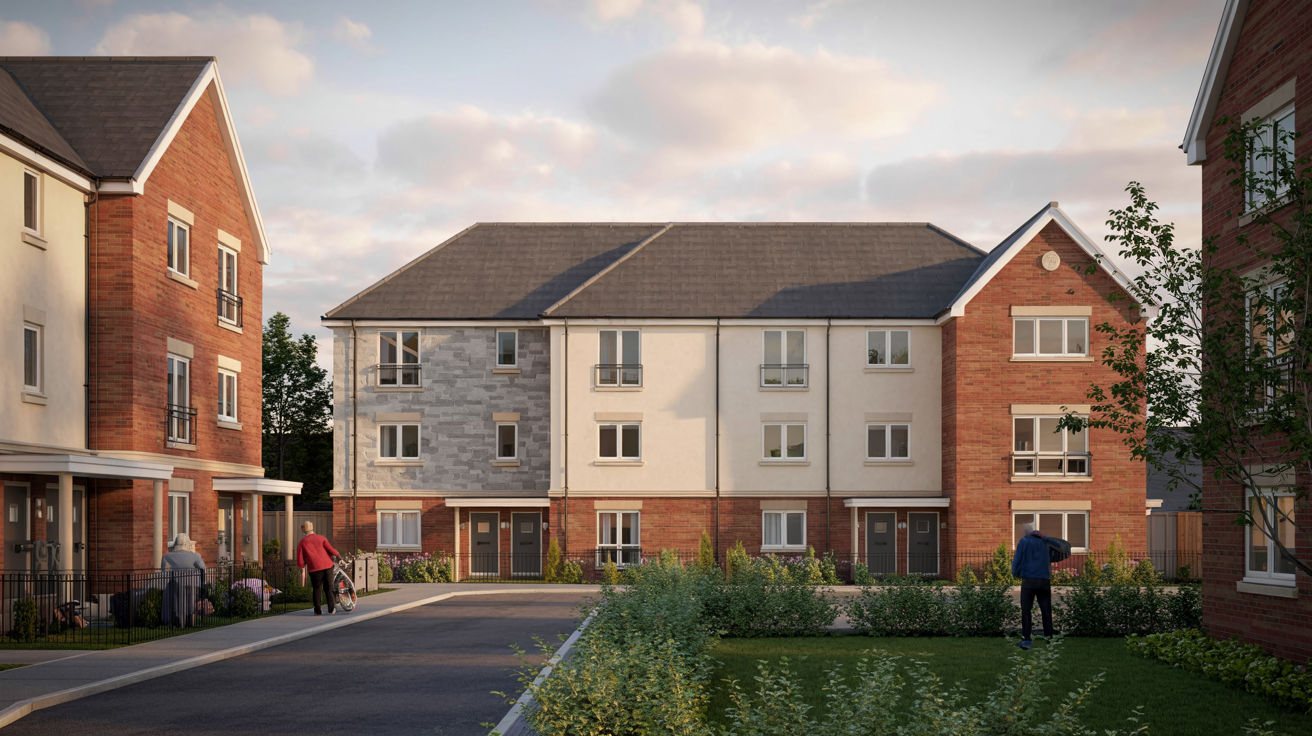
As water safety specialists supporting housing professionals, we understand the unique challenges faced by housing associations managing diverse property portfolios. Among your many responsibilities, Legionella risk management stands as a critical duty that directly impacts resident safety and regulatory compliance. This guide explores the key considerations for implementing effective Legionella management across your property portfolio, with particular focus on building complexity factors and practical risk assessment approaches.
Understanding Legal Responsibilities for Housing Associations
As a housing association, you operate under specific legal obligations regarding Legionella control:
- The Health and Safety at Work Act 1974
- Control of Substances Hazardous to Health Regulations 2002 (COSHH)
- The Housing Act 2004
- The Health and Safety Executive's Approved Code of Practice L8 (ACoP L8)
- HSG274 Parts 1-3 technical guidance
From our experience supporting housing providers across the UK, we've observed that associations with proactive water safety management not only protect residents more effectively but also face fewer compliance challenges during regulatory inspections.
Building Complexity Factors in Housing Association Properties
The diverse nature of housing association portfolios creates specific considerations for Legionella management:
1. Property Type Variations
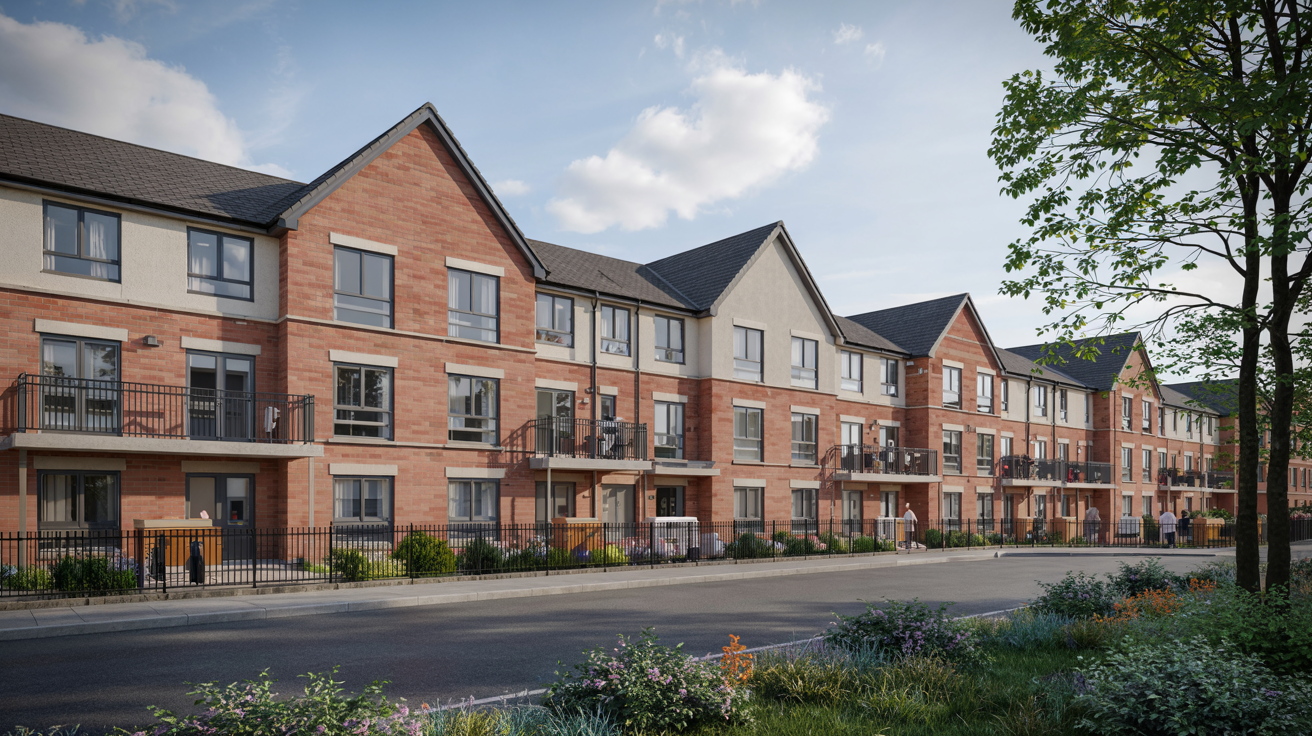
Housing associations typically manage a wide range of accommodation types:
- General Needs Housing: Individual houses and self-contained flats
- Blocks with Communal Systems: Properties sharing water storage and distribution
- Sheltered Housing: Accommodation with scheme managers and communal facilities
- Supported Accommodation: Properties providing additional resident support
- Extra Care Facilities: Specialist housing with care provision elements
- Temporary Accommodation: Emergency or short-term housing solutions
- Community Facilities: Non-residential buildings serving local areas
Each property type presents distinct risk profiles requiring tailored management approaches. For example, we recently assessed a sheltered housing scheme where the communal facilities presented significantly higher risks than the self-contained flats within the same development.
2. System Design Variations
The water systems across your portfolio will vary considerably:
- Individual Property Systems: Direct mains connections with combi boilers or cylinders
- Centralised Systems: Shared hot and cold water serving multiple dwellings
- Mixed Systems: Combinations of individual and communal elements
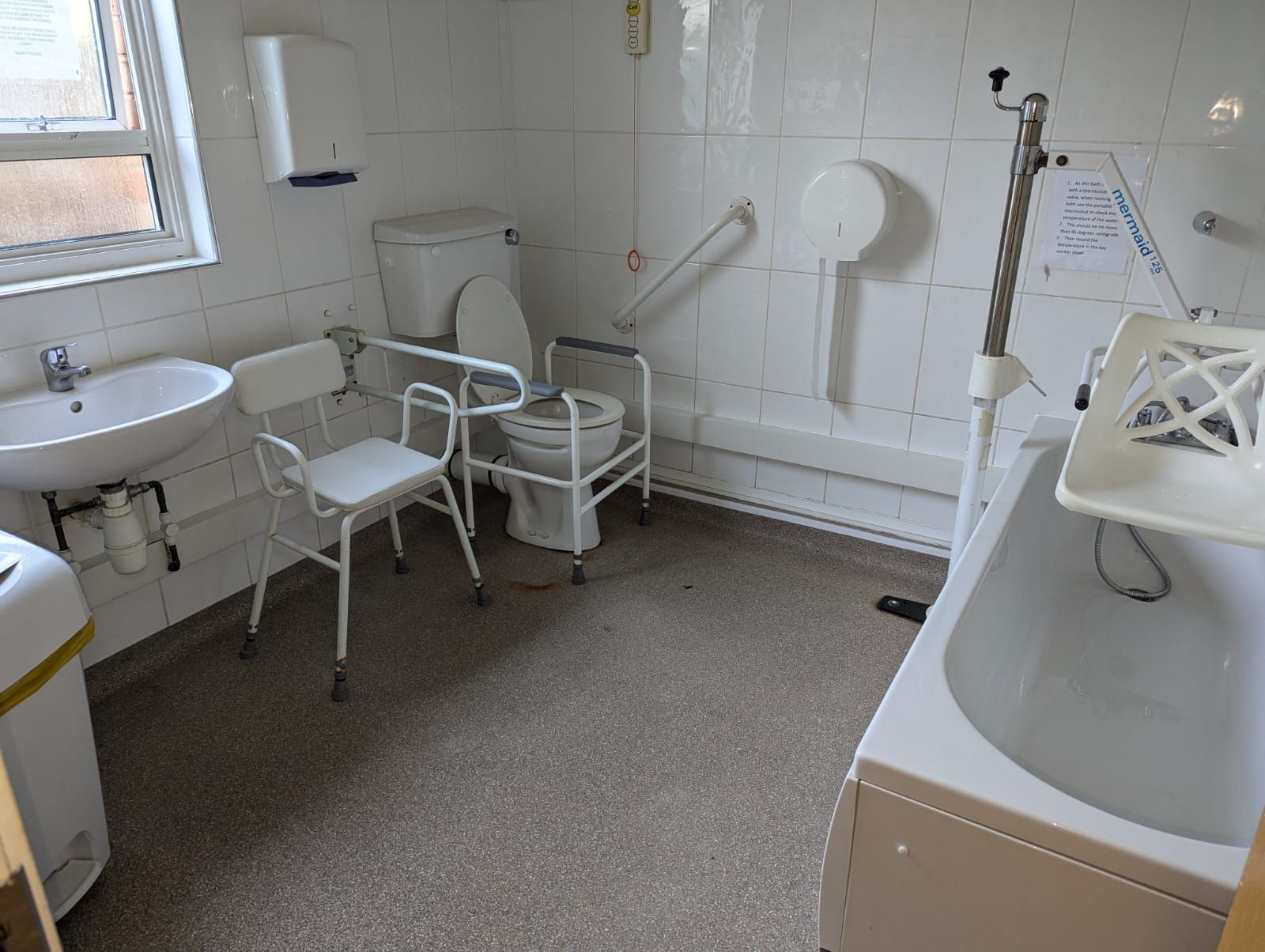
- Specialist Installations: Therapeutic equipment or assisted bathing facilities
- Legacy Systems: Older installations with design features no longer considered best practice
These variations create different risk profiles and management requirements, necessitating tailored approaches rather than one-size-fits-all solutions.
3. Occupancy Patterns
Housing associations experience diverse occupancy patterns affecting water system management:
- Regular Residential Use: Consistent daily water usage in primary residences
- Vulnerable Resident Occupation: Properties housing individuals with increased susceptibility
- Void Properties: Temporary vacancies between tenancies
- Partial Occupancy: Blocks with varying levels of occupation
- Respite or Temporary Use: Accommodation used intermittently
These patterns significantly influence stagnation risks and system management requirements, requiring adaptive approaches across your portfolio.
Key Risk Factors in Housing Association Properties
1. Resident Vulnerability
Many housing association properties serve vulnerable populations with increased susceptibility to Legionella infection:
- Elderly Residents: Individuals over 65 face increased infection risks
- People with Underlying Health Conditions: Chronic respiratory conditions or compromised immunity
- Residents with Mobility Limitations: May struggle with system management
- Individuals with Cognitive Impairments: Potentially less able to understand system guidance
- People Receiving Medical Treatments: Certain treatments increase susceptibility
The presence of vulnerable residents creates additional responsibilities for housing associations, requiring enhanced risk management and control measures.
2. System Management Responsibilities
The division of system management responsibilities varies across different property types:
General Needs Housing
For individual houses and self-contained flats with dedicated water systems:
- Housing Association Responsibilities: System design, periodic checks during void periods, guidance provision
- Resident Responsibilities: Day-to-day system operation, regular usage, appropriate temperature settings
Properties with Communal Systems
For buildings with shared water systems serving multiple dwellings:
- Housing Association Responsibilities: Comprehensive system management, regular monitoring, maintenance implementation
- Resident Responsibilities: Reporting concerns, allowing access for essential checks
Understanding these distinctions is crucial for effective risk management and clear communication with residents about respective obligations.
3. Management Coordination Challenges
Housing associations face particular challenges coordinating water safety management:
- Geographic Spread: Properties distributed across wide areas
- Mixed Maintenance Arrangements: Combinations of in-house and contracted services
- Staffing Structures: Various roles sharing water safety responsibilities
- Resident Engagement: Varying levels of resident cooperation and understanding
- Resource Constraints: Balancing water safety with other maintenance priorities
Effective management requires clear systems for coordinating activities across these variables, ensuring consistent standards despite operational complexities.
Practical Risk Assessment Approach
Pre-Assessment Information Gathering
Before conducting physical inspections, comprehensive information gathering provides vital context:
- Property asset registers documenting building types and water systems
- Previous assessment reports and recommendations
- Void management procedures and records
- Maintenance history and system modifications
- Information about resident needs and vulnerabilities
This preliminary phase helps identify potential areas of concern and enables a more targeted physical inspection.
Physical Assessment Elements
A thorough assessment should include detailed inspection of all water system components:
Individual Property Systems
- Hot water generation type and settings
- Cold water storage arrangements (where present)
- Distribution system layout and condition
- Outlet types and usage patterns
- Specific risk features such as showers or infrequently used outlets
Communal Systems
- Cold water storage condition and management
- Hot water generation and circulation
- Temperature maintenance across distribution
- Shared facilities such as laundry rooms or guest bathrooms
- Management systems for infrequently used outlets
Assessment Scheduling Considerations
Risk assessment scheduling should reflect both property risk profiles and operational considerations:
- Higher-Risk Properties: More frequent assessments for sheltered and supported housing
- Lower-Risk Properties: Less intensive regimes for simple domestic systems
- Void Period Assessments: Specific checks during property vacancies
- Post-Refurbishment Reviews: Reassessment following significant system modifications
- Programmed Approach: Systematic coverage of entire portfolio on appropriate cycles
This risk-based approach ensures resources focus on higher-risk properties while maintaining appropriate oversight across the entire portfolio.
Implementing Effective Management Systems
Property-Type Specific Approaches
Different property types require tailored management approaches:
General Needs Housing
For individual houses and self-contained flats:
- Providing clear resident guidance on system operation
- Conducting checks during void periods
- Implementing robust procedures for reporting and addressing concerns
- Periodic reassessment during major refurbishments
Sheltered Housing and Supported Accommodation
For properties with vulnerable residents and communal facilities:
- Implementing comprehensive written schemes of control
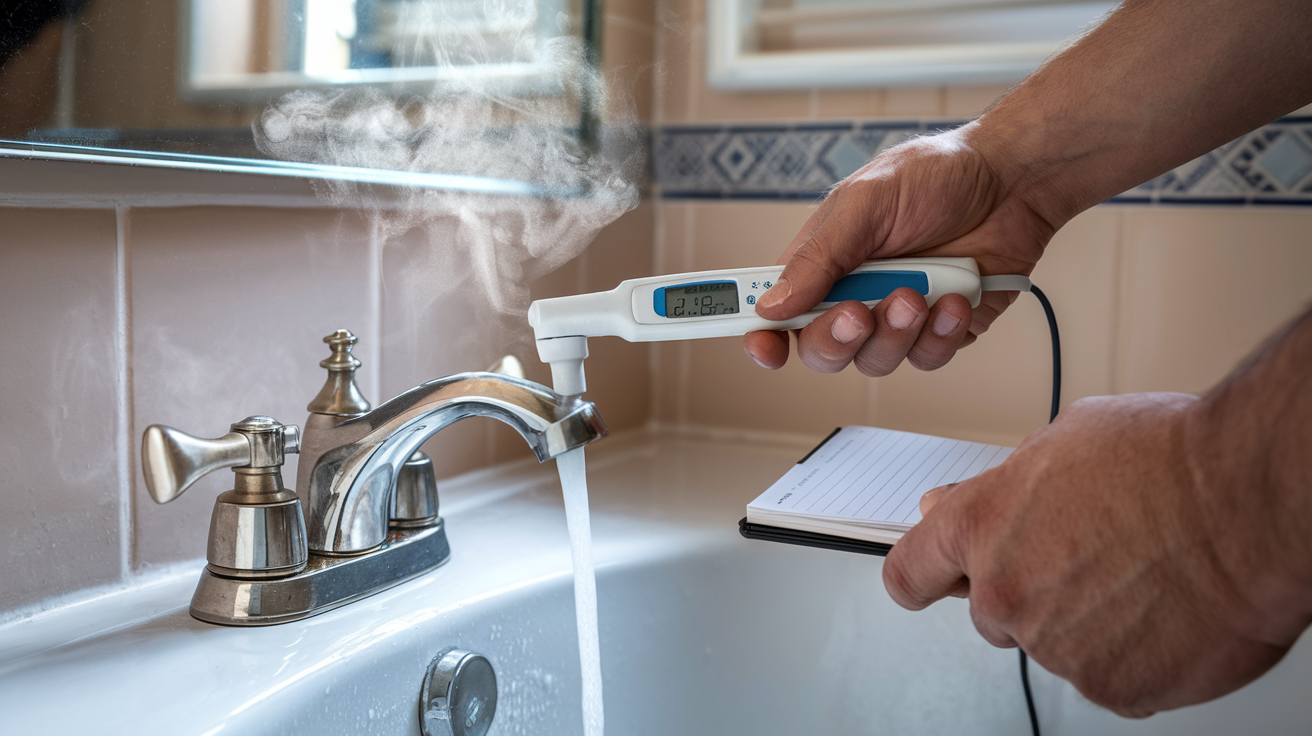
- Conducting regular temperature monitoring at sentinel points
- Managing infrequently used outlets through systematic flushing
- Training scheme managers in basic monitoring procedures
- Maintaining detailed records of all management activities
Extra Care and High-Dependency Settings
For specialist accommodation with care provision:
- Developing enhanced control measures beyond standard temperature management
- Implementing more frequent monitoring regimes
- Considering supplementary approaches such as point-of-use filtration
- Integrating water safety with care planning
- Conducting regular system reviews with healthcare input
Resident Communication Strategies
Effective resident communication forms an essential component of water safety management:
- Clear Guidance Materials: Accessible information explaining system management
- Tenancy Documentation: Explicit responsibilities within agreements
- Targeted Approaches: Communication tailored to resident needs and capabilities
- Regular Reminders: Seasonal updates about system management
- Feedback Mechanisms: Clear reporting routes for water quality concerns
Housing associations should develop communication approaches appropriate to their resident demographics, with particular attention to vulnerable residents' needs.
Void Property Management
Vacant properties present particular challenges requiring specific management:
- Pre-Vacancy Procedures: Actions when properties become empty
- Regular Flushing Regimes: Scheduled outlet usage during vacancies
- Recommissioning Checks: Inspections before re-occupation
- Documentation Systems: Records of all void management activities
- Staff Training: Clear guidance for maintenance teams
Effective void management prevents the risk of water stagnation creating conditions for Legionella proliferation, particularly important when properties may remain empty for extended periods.
Practical Recommendations for Common Housing Association Scenarios
Based on our experience supporting housing associations, here are effective approaches for common scenarios:
Managing Mixed Portfolio Responsibilities
Housing associations with diverse property types benefit from:
- Clear Responsibility Matrix: Documenting management requirements by property type
- Proportionate Resource Allocation: Focusing efforts on higher-risk properties
- Integrated Record Systems: Consolidated documentation across the portfolio
- Consistent Assessment Methodologies: Standardized approaches with property-specific elements
- Regular Management Review: Evaluating effectiveness across different property types
Supporting Vulnerable Residents
Properties housing vulnerable individuals require enhanced approaches:
- Integrated Risk Assessment: Considering both system features and resident vulnerability
- Enhanced Monitoring: More frequent checks for higher-risk residents
- Support Planning: Including water safety within broader care arrangements
- Staff Awareness: Training in recognizing potential waterborne infection symptoms
- Balanced Interventions: Proportionate measures respecting resident independence
Managing Contractor Relationships
Many housing associations rely on external specialists for aspects of Legionella management:
- Clear Specification: Detailed service requirements and standards
- Competence Verification: Checking qualifications and experience
- Performance Monitoring: Regular review of service delivery
- Integrated Records: Ensuring contractor documentation integrates with association systems
- Relationship Management: Maintaining clear communication channels
Effective contractor relationships require appropriate oversight while benefiting from specialist expertise and capacity.
Conclusion: Building a Sustainable Approach
Managing Legionella risks across diverse housing association portfolios requires a balanced approach that ensures compliance while recognizing operational realities. By understanding the specific risk factors in your properties and implementing proportionate control measures, you can effectively protect residents while optimizing resource allocation.
The key elements of successful management include:
- Property-specific risk assessments tailored to building types and resident needs
- Proportionate control measures focusing on higher-risk systems and vulnerable residents
- Clear responsibility allocation between housing association and residents
- Effective communication strategies appropriate to resident capabilities
- Robust documentation systems providing both operational guidance and compliance evidence
As specialists in housing association water safety, we encourage providers to view Legionella management not merely as a regulatory requirement but as an integral component of resident wellbeing. With appropriate, proportionate approaches, housing associations can maintain excellent water safety standards while focusing on their core mission of providing quality homes for their communities.