Effective Legionella Risk Management for Commercial Office Buildings
Best Practice Guidance for Legionella Risk Assessment and Water Safety Management in Commercial Offices

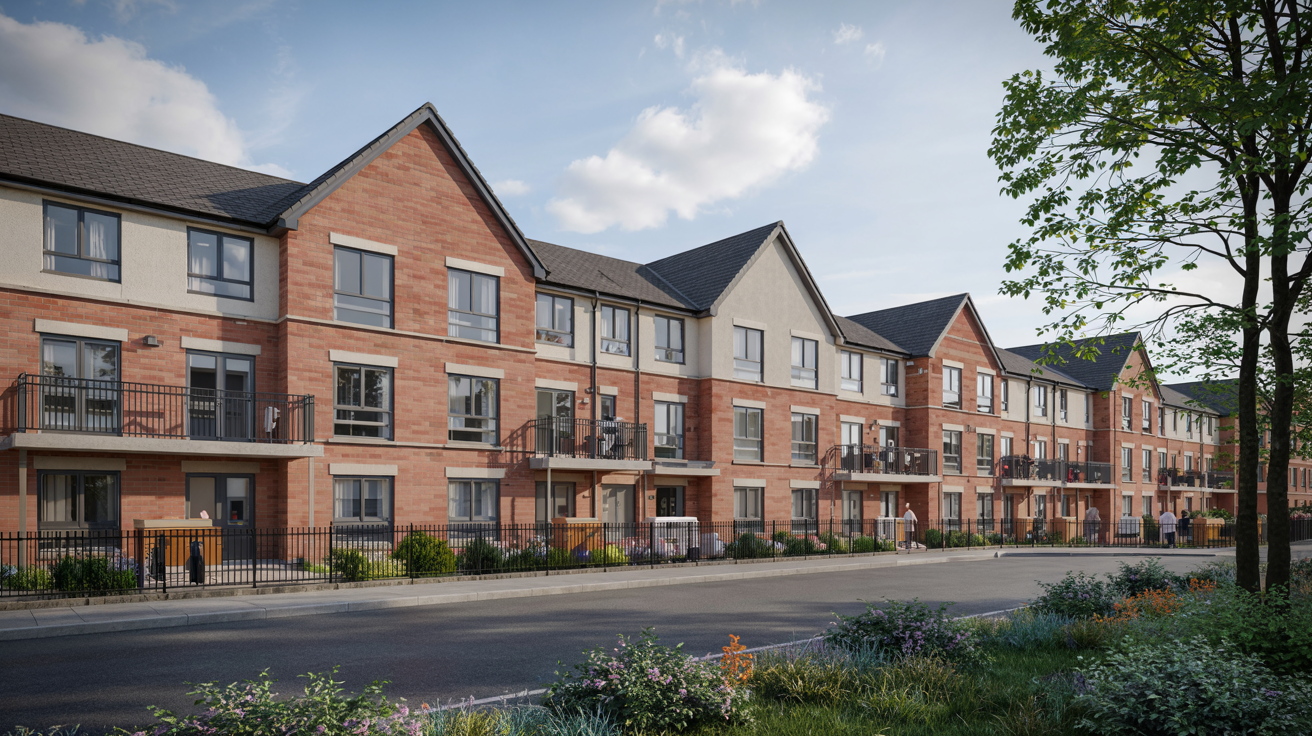
As water safety specialists, we understand that managing Legionella risks in commercial office environments requires a balanced approach. One that ensures compliance without implementing unnecessarily complex measures. While office buildings typically present lower Legionella risks than healthcare or industrial facilities, property managers still need to understand their legal obligations and implement appropriate control strategies.
This guide shares our expertise on implementing effective, proportionate Legionella management in commercial office settings, focusing on building complexity factors and practical risk assessment approaches.
Understanding the Risk Profile of Commercial Office Buildings
Commercial office buildings generally present a lower Legionella risk profile for several reasons:
- Regular weekday occupancy patterns ensure consistent water usage that helps prevent stagnation
- Relatively simple water systems compared to more complex facilities
- Occupant demographics typically consisting of healthy adults who are less susceptible to infection
However, certain features still require careful attention:
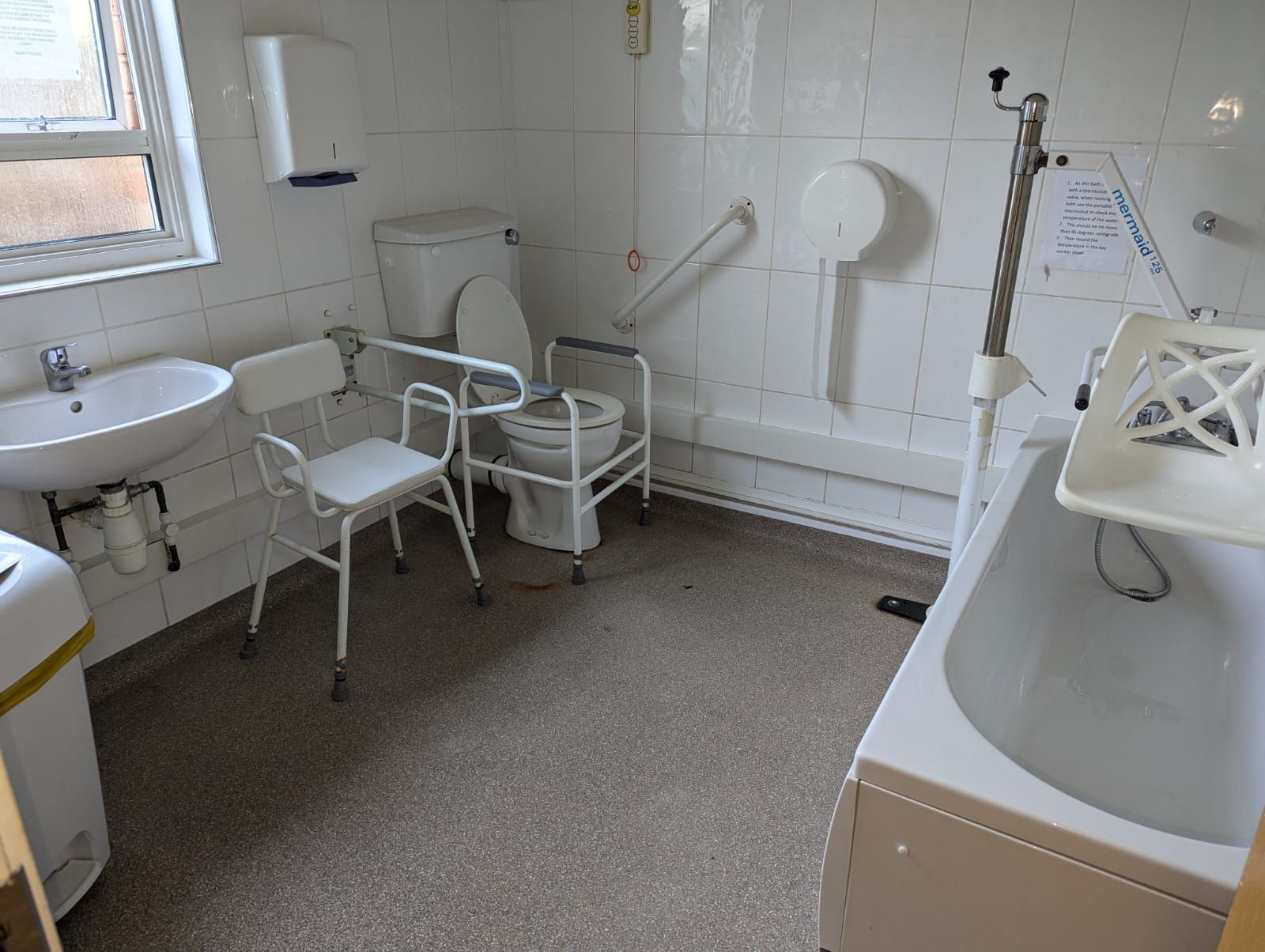
- Infrequently used outlets such as executive bathrooms or shower facilities
- Decorative water features in reception areas or atriums
- Backup water systems for emergency services
- Seasonal variations in building usage, particularly during extended holiday periods
Understanding these specific risk elements allows for targeted, proportionate control strategies that protect occupant health while avoiding unnecessary measures.
Legal Obligations and Compliance Requirements
For commercial office buildings, which typically fall into the lower-risk category, your obligations are governed primarily by:
- The Control of Substances Hazardous to Health Regulations 2002 (COSHH)
- The Management of Health and Safety at Work Regulations 1999
- The Health and Safety at Work Act 1974
These regulations require a proportionate approach to risk management, focusing on implementing reasonable and practical measures appropriate to the level of risk present.
Your key legal responsibilities include:
- Conducting suitable and sufficient risk assessments
- Implementing appropriate control measures based on risk level
- Ensuring monitoring and maintenance of water systems
- Maintaining appropriate records
- Ensuring staff receive adequate training
The Health and Safety Executive's Approved Code of Practice L8 (ACoP L8) and HSG274 provide the framework for compliance, emphasising that measures should be proportionate to risk.
Building Complexity Factors in Commercial Office Settings
The physical configuration and operational characteristics of office buildings create specific considerations for Legionella management:
1. Water System Design and Layout
Modern office buildings typically feature water systems of varying complexity:
Larger, Taller Office Buildings
- More complex water distribution networks across multiple floors
- Often feature roof-level storage tanks and booster pump systems
- Typically have hot water recirculation systems
- May include multiple plant rooms and water heaters
Smaller or Converted Office Buildings
- May have simpler direct mains-fed systems
- Often feature multiple smaller water heaters rather than centralised systems
- May have more varied pipework configurations, particularly in converted buildings
In our experience, older converted buildings often present more complex management challenges despite their smaller size, as systems may have been modified over time without comprehensive documentation.
2. Occupancy Patterns and Usage
Office buildings have distinct operational patterns that affect water system management:
- Weekday/weekend variations create periods of reduced water usage
- Holiday shutdowns may result in extended periods of water stagnation
- Occupancy fluctuations due to flexible working practices influence water turnover
- Partial occupancy of buildings can lead to areas with minimal water usage
These patterns require consideration when developing flushing regimes and monitoring schedules.
Key Risk Factors in Commercial Office Buildings
1. Cold Water Storage Systems
Cold water storage systems require careful attention during risk assessments:
Tank Construction and Integrity
- Tanks should be constructed from materials suitable for potable water storage
- Tanks should have tight-fitting lids and screened overflow pipes
- Internal surfaces should be smooth and clean, free from signs of corrosion or biofilm
Temperature Management
- Cold water must be maintained below 20°C throughout the system
- Tanks in roof spaces need particular attention due to potential solar gain
- Effectiveness of existing insulation should be evaluated regularly
Water Movement and System Design
- Tank size should be appropriate for the building's needs without being oversized
- System design should minimise areas of potential low flow or stagnation
2. Hot Water Systems
Hot water systems require straightforward management focused on maintaining appropriate temperatures:
- Storage temperatures should be maintained at 60°C
- Distribution temperatures should reach 50°C at outlets within one minute
- Return loop temperatures (where applicable) should maintain a minimum of 50°C
- Thermostatic mixing valves (TMVs) should be regularly maintained and tested
Assessment should identify practical ways to maintain these temperatures through:
- Adequate insulation on storage vessels and distribution pipework
- Proper balance of circulation in return systems
- Regular operation and maintenance of TMVs
3. Rarely Used Outlets and Features
Office buildings often contain outlets and features that see infrequent use:
- Shower facilities in executive bathrooms or wellness areas
- Meeting room facilities with washrooms that see irregular use
- Decorative water features in reception areas or atriums
For these elements, we recommend implementing dedicated flushing programmes and more frequent monitoring, particularly during periods of reduced building occupancy.
Practical Risk Assessment Methodology
1. Pre-Assessment Information Gathering
Before conducting physical inspections, gather comprehensive information:
- Building schematics and water system diagrams
- Operational information including occupancy patterns
- Maintenance records and previous assessment reports
- System modifications or changes since previous assessments
This preliminary phase helps identify potential areas of concern and enables a more targeted physical inspection.
2. Physical Inspection Process
The physical inspection should examine all aspects of the water system while maintaining a practical focus:
System Condition Assessment
- Evaluate physical condition of all water system components
- Identify any signs of deterioration, leakage, or poor maintenance
- Check for appropriate labelling of system components
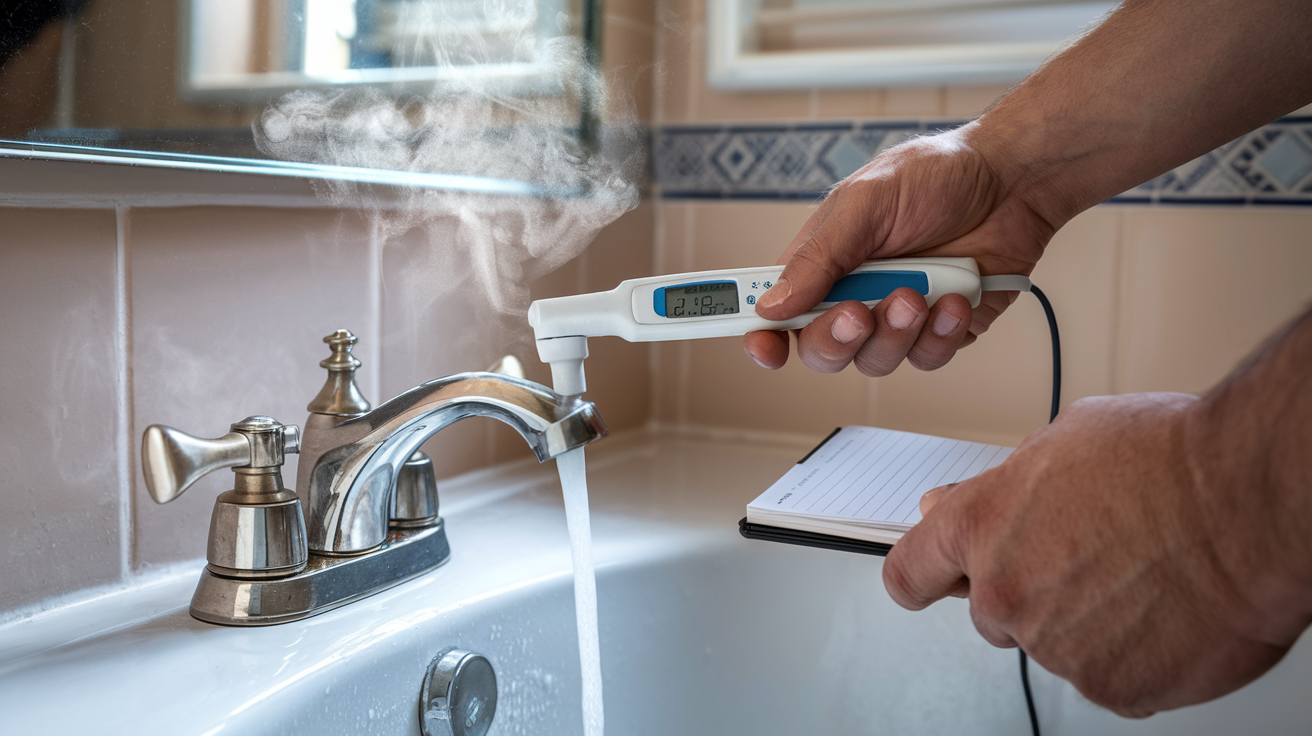
Temperature Profiling
- Create a comprehensive temperature profile of building water systems
- Ensure cold water remains below 20°C
- Verify hot water reaches 50°C at outlets within one minute
Usage Evaluation
- Identify areas of low usage or potential stagnation
- Evaluate effectiveness of any existing flushing programmes
3. Risk Evaluation Framework
Following the physical inspection, a structured risk evaluation helps prioritise actions:
- Likelihood assessment - Evaluating conditions that could promote Legionella growth
- Exposure evaluation - Identifying potential exposure routes within the building
- Control measure effectiveness - Assessing current management approaches
- Implementation practicality - Considering feasibility of additional controls
Implementing Effective Management Systems
1. Proportionate Control Measures
Implementation of control measures should focus on simple, effective practices:
- Regular maintenance of tanks, water heaters, and distribution systems
- Appropriate temperature monitoring regimes
- Systematic flushing programmes for infrequently used outlets
- Prompt attention to any identified issues
For most office buildings, these basic good practices provide adequate control without requiring complex intervention strategies.
2. Monitoring and Documentation
Effective monitoring forms the cornerstone of good water management:
Temperature Monitoring Regime
- Sentinel outlet checking - Monthly monitoring of the first and last outlets on systems
- Representative outlet rotation - Quarterly checks of additional outlets
- Storage temperature verification - Monthly checks of water storage
- Return loop monitoring - Where applicable, monthly temperature checks
Documentation Requirements
- Risk assessment reports and subsequent reviews
- Temperature monitoring records
- Maintenance activities including cleaning and disinfection
- Training records for relevant staff
- Remedial actions taken to address identified issues
Electronic record systems can significantly streamline this process while improving accessibility.
3. Staff Training and Competency
Training requirements should focus on practical knowledge relevant to office building water systems:
- Basic Legionella awareness for all facilities staff
- System-specific training for those directly involved in monitoring
- Record keeping procedures
- Identification of common issues and appropriate responses
Practical Recommendations for Common Office Building Scenarios
1. Multi-Tenanted Office Buildings
These buildings present unique challenges due to divided responsibilities:
- Clear responsibility allocation between landlord and tenants
- Coordinated monitoring programmes covering both common areas and tenant spaces
- Shared information regarding building shutdowns or occupancy changes
2. Buildings with Flexible Occupancy
The growth in flexible working has created challenges for water management:
- Adaptive flushing regimes based on actual rather than assumed occupancy
- Zone-based management approaches for buildings with variable occupancy
- Automated flushing systems for consistently underutilised areas
3. Older Office Buildings
Older buildings often present specific challenges:
- System mapping to identify modifications and changes over time
- Enhanced monitoring for areas with known design limitations
- Strategic system upgrades focusing on highest risk elements first
Conclusion: Building an Effective Water Safety Culture
Managing Legionella risks in commercial office buildings requires a balanced approach that ensures compliance without implementing unnecessarily complex measures. By understanding the specific risk factors in your buildings and implementing proportionate control strategies, you can effectively protect occupant health while optimising resource allocation.
The key elements of successful management include:
- Risk-appropriate assessment methodologies tailored to office environments
- Proportionate control measures focusing on basic good practice
- Consistent monitoring and documentation processes
- Clear responsibility allocation and staff training
- Regular review and system adaptation as building usage evolves
As water safety specialists, we encourage property managers to view Legionella management not merely as a regulatory requirement but as an integral component of good building management practice. With appropriate, proportionate approaches, commercial office buildings can maintain excellent water safety standards while controlling costs and resource requirements.