Legionella Risk Management for Animal Welfare Facilities: Expert Guidance for Veterinary and Wildlife Sites
Legionella Risk Management for Animal Welfare Facilities
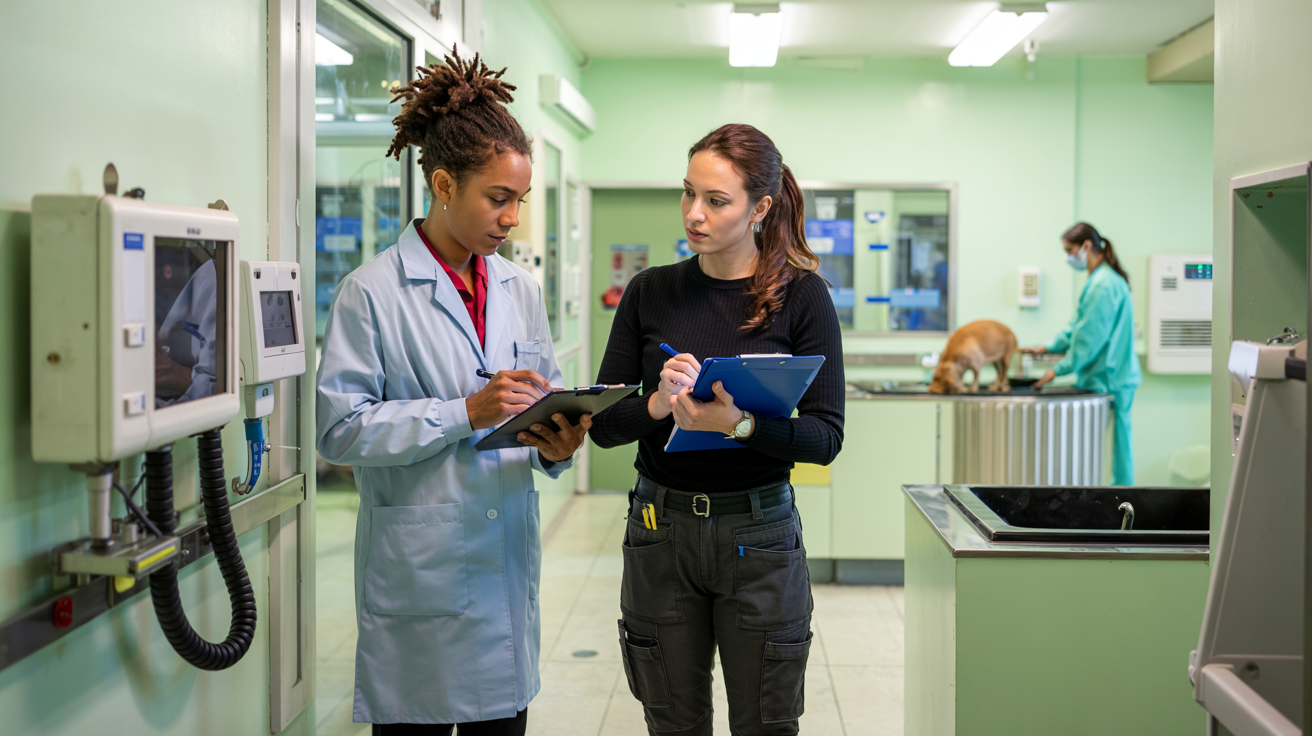
As water safety specialists supporting animal welfare professionals, we understand the unique challenges faced by veterinary hospitals, animal shelters, wildlife centres, and research facilities. Among your many responsibilities, managing Legionella risks in water systems stands as a critical duty that directly impacts staff safety, animal welfare, and regulatory compliance. This guide explores the key considerations for implementing effective Legionella management in animal welfare settings, with particular focus on building complexity factors and practical risk assessment approaches.
Understanding Legal Responsibilities in Animal Welfare Environments
As an animal welfare organisation, you operate under specific legal obligations regarding Legionella control:
- The Health and Safety at Work Act 1974
- Control of Substances Hazardous to Health Regulations 2002 (COSHH)
- The Health and Safety Executive's Approved Code of Practice L8 (ACoP L8)
- HSG274 Parts 1-3 technical guidance
- The Animal Welfare Act 2006 (where applicable)
These obligations require you to assess and manage Legionella risks to protect human health, while ethical considerations extend this responsibility to safeguarding animal welfare through appropriate water system management. From our experience supporting veterinary and animal care facilities across the UK, we've observed that organisations with proactive water safety management not only protect staff and animals more effectively but also face fewer compliance challenges during regulatory inspections.
Building Complexity Factors in Animal Welfare Facilities
The diverse nature of animal welfare facilities creates specific considerations for Legionella management:
1. Facility Type Variations
Animal welfare organisations typically manage a wide range of facility types:
- Veterinary Hospitals and Clinics: Complex clinical environments with specialised equipment
- Animal Shelters and Rehoming Centres: Combined welfare and animal accommodation facilities
- Kennels and Catteries: Purpose-built animal housing with washing facilities
- Wildlife Rehabilitation Centres: Specialised facilities for diverse species
- Zoological Collections: Extensive systems supporting various habitats
- Research Facilities: Controlled environments with specific water quality requirements
Each facility type presents distinct risk profiles requiring tailored management approaches. For example, we recently assessed a veterinary hospital where the hydrotherapy pool presented significantly higher risks than the standard hot and cold water systems in the same building.
2. Specialised Water Systems
Animal welfare facilities often incorporate unique water systems beyond standard domestic services:
- Animal Drinking Water Systems: Extended distribution networks with specialised delivery mechanisms
- High-Pressure Washing Equipment: Used for cleaning animal accommodation
- Hydrotherapy and Rehabilitation Pools: Therapeutic facilities operating at ideal Legionella growth temperatures
- Misting and Fogging Systems: Used for climate control in specialist habitats
- Aquatic Life Support Systems: Complex filtration and treatment for aquatic species
- Specialised Veterinary Equipment: Dental units, surgical preparation systems, etc.
These specialised systems present unique challenges for Legionella control due to their design features, operational requirements, and the need to balance water safety with animal welfare considerations.
3. Operational Patterns
Animal welfare facilities often operate with distinctive patterns that impact water system management:
- 24/7 Operation: Continuous animal care requiring constant water availability
- Seasonal Variations: Fluctuating occupancy in wildlife rehabilitation centres
- Treatment Schedules: Intermittent use of specialist clinical equipment
- Mixed Usage: Combined animal and human facilities with different requirements
- Cleaning Regimes: Intensive washing creating significant aerosols
These operational characteristics can significantly influence system management, particularly regarding stagnation risks during periods of lower usage and aerosol generation during intensive cleaning activities.
Key Risk Factors in Animal Welfare Settings
1. Aerosol Generation
Several animal welfare operations can create water aerosols, presenting potential transmission routes for Legionella bacteria:
- High-Pressure Cleaning: Used for kennel and enclosure sanitation
- Hydrotherapy Facilities: Aerosols from jets and animal movement
- Misting Systems: Used for climate control in specialist habitats
- Bathing and Grooming: Spray equipment for animal cleaning
- Dental Units: Specialist veterinary equipment generating fine sprays
These aerosol-generating activities require particularly careful risk assessment and management due to their potential to create respirable water droplets that could contain Legionella bacteria.
2. Temperature Management Challenges
Maintaining appropriate water temperatures presents particular challenges in animal welfare environments:
- Specialist Habitat Requirements: Temperature needs for specific animal species
- Mixed Usage Areas: Different temperature requirements for human and animal use
- Hydrotherapy Facilities: Typically operated at 25-35°C (ideal for Legionella growth)
- Extended Distribution Systems: Temperature maintenance across large sites
- Seasonal Variations: External temperature effects on outdoor housing
Our assessments frequently identify temperature control as a significant risk factor, particularly in facilities housing species requiring specific environmental conditions that may conflict with optimal Legionella control parameters.
3. Vulnerable Populations
Animal welfare facilities often serve vulnerable populations:
- Immunocompromised Animals: Undergoing treatment or rehabilitation
- Staff with Prolonged Exposure: Veterinary personnel regularly exposed to aerosols
- Animals Under Stress: Compromised immune function due to illness or captivity
- Mixed Species Environments: Varied susceptibility to waterborne pathogens
- Public Visitors: Including potentially vulnerable individuals
The presence of these vulnerable populations creates additional responsibilities for animal welfare organisations, requiring enhanced risk management and control measures.
4. System Complexity and Modification
Animal welfare facilities frequently incorporate complex or modified water systems:
- Purpose-Built Animal Accommodation: Often with specialised washing facilities
- Adapted Buildings: Converted properties with modified water systems
- Multiple Buildings: Extended distribution networks across sites
- Specialised Equipment Connections: Veterinary or research apparatus
- Hybrid Systems: Combining standard services with animal-specific installations
These complex system arrangements can create unforeseen risk factors, particularly when modifications are made without fully considering water safety implications.
Practical Risk Assessment Approach
Pre-Assessment Information Gathering
Before conducting physical inspections, comprehensive information gathering provides vital context:
- Facility layout plans and water system diagrams
- Information on specialised animal care equipment
- Operational schedules and usage patterns
- Maintenance records and previous assessment reports
- Details of animal housing and species requirements
This preliminary phase helps identify potential areas of concern and enables a more targeted physical inspection.
Physical Assessment Elements
A thorough assessment should include detailed inspection of all water system components:
Standard Water Systems
- Hot and cold water storage and distribution
- Temperature measurements at sentinel points
- Identification of dead legs and little-used outlets
- Assessment of TMV function and maintenance
Animal Welfare-Specific Systems
- Animal drinking water systems
- High-pressure washing equipment
- Hydrotherapy and treatment pools
- Misting systems and climate control installations
- Specialised veterinary equipment
- Aquatic life support systems
Assessment Approach by Facility Type
Different facilities require tailored assessment methodologies:
Veterinary Hospitals
- Comprehensive assessment akin to healthcare settings
- Particular focus on specialised veterinary equipment
- Careful evaluation of hydrotherapy facilities
- Assessment of surgical preparation water systems
- Consideration of immunocompromised animal risk
Animal Shelters and Kennels
- Focus on high-pressure washing systems
- Assessment of extended distribution networks
- Evaluation of seasonal occupancy variations
- Attention to outdoor facilities and temperature fluctuations
- Consideration of cleaning chemical compatibility with water treatments
Wildlife and Zoological Facilities
- System categorisation (domestic, engineered habitats, natural water bodies)
- Habitat-specific assessments considering species requirements
- Evaluation of complex life support systems
- Assessment of public-facing water features
- Consideration of filtration and treatment compatibility with Legionella control
Implementing Effective Management Systems
Facility-Type Specific Control Measures
Different facility types require tailored control approaches:
Veterinary Hospital Approaches
- Comprehensive written schemes of control
- Regular temperature monitoring regimes
- Enhanced controls for critical clinical areas
- Specific management for hydrotherapy facilities
- Integration with existing infection control measures
Animal Shelter and Kennel Approaches
- Practical flushing regimes for intermittently used areas
- Safe operation procedures for high-pressure cleaning
- Appropriate training for animal care staff
- Seasonal management for varying occupancy
- Simple but effective record-keeping systems
Wildlife and Zoological Approaches
- Categorised control measures based on system type
- Balanced approach for engineered habitats considering animal needs
- Enhanced controls for public-facing water features
- Specialist management for aquatic life support systems
- Integrated approach with animal welfare practices
Practical Operational Protocols
Practical operational protocols should focus on integrating water safety with animal care:
- Washing and Cleaning Protocols: Minimising aerosol generation while maintaining hygiene
- Hydrotherapy Management: Water treatment compatible with animal welfare
- Staff Training: Role-specific guidance on water safety procedures
- Seasonal Operational Adjustments: Adapting controls to occupancy variations
- Emergency Response Planning: Ensuring animal welfare during system restrictions
These protocols should balance water safety requirements with the practical realities of animal care operations.
Documentation and Record Keeping
Consistent documentation provides both compliance evidence and management insights:
- Risk assessment reports tailored to facility types
- System inspection and monitoring records
- Maintenance activities and water treatment logs
- Staff training documentation
- Incident response records
These records demonstrate regulatory compliance while providing valuable data for system optimisation and risk reduction.
Practical Recommendations for Common Animal Welfare Scenarios
Based on our experience supporting animal welfare organisations, here are effective approaches for common scenarios:
Veterinary Hospitals with Hydrotherapy Facilities
These complex facilities benefit from:
- Comprehensive risk assessment by specialists with healthcare experience
- Enhanced monitoring of hydrotherapy pools including microbiological testing
- Dedicated water treatment systems balanced with animal welfare requirements
- Clear operational procedures for both clinical and maintenance staff
- Integration with existing infection control programmes
Wildlife Rehabilitation Centres
These specialised facilities require:
- Categorised approach to different water system types
- Seasonal management strategies addressing fluctuating occupancy
- Balanced controls respecting species-specific requirements
- Practical staff guidance focusing on high-risk activities
- Flexible approaches accommodating diverse species needs
Research Facilities and Laboratories
These controlled environments need:
- Integration with existing quality management systems
- Enhanced controls for vulnerable research animals
- System design review ensuring appropriate separation between services
- Clear protocols for specialised equipment
- Staff awareness balancing research requirements with water safety
Conclusion: Balancing Water Safety with Animal Welfare
Managing Legionella risks in animal welfare environments requires a balanced approach that ensures compliance while recognizing operational realities. By understanding the specific risk factors in your facilities and implementing proportionate control measures, you can effectively protect staff, visitors, and animals while optimizing resource allocation.
The key elements of successful management include:
- Facility-specific risk assessments tailored to animal welfare operations
- Proportionate control measures focusing on highest-risk systems
- Practical operational protocols compatible with animal care requirements
- Clear staff guidance on water safety procedures
- Integrated approach viewing water safety as part of overall animal welfare
As specialists in animal welfare water safety, we encourage organisations to view Legionella management not merely as a regulatory requirement but as an integral component of comprehensive care provision. With appropriate, proportionate approaches, animal welfare facilities can maintain excellent water safety standards while focusing on their core mission of animal care and protection.